At Home with Tech

Unlock the power of all your technology and learn how to master your photography, computers and smartphone.

Category: gardening

From Dark Path to Smart Glow: My Quest for Backyard Solar Lights
We’ve set up a small fire pit area in our backyard, complete with a new Solo Stove and Adirondack-style chairs. After trying out our newly created outdoor space at dusk, I discovered a problem. It was too dark while walking out on the gravel path that leads to the back of our property and our Solo Stove. The path, which traverses a small slope in our yard needed a bit of lighting.

This requirement became clear while we were hosting dinner for a few friends on our deck. When we walked down the deck stairs in the near-dark onto the path to fire up the Solo Stove, my friend commented that it was hard to see the path’s surface for that final step down. 

That’s code for, “Someone’s going to break a leg!”

A leap of faith to my fire pit? Maybe tripping and falling down my little hill? No, that’s not what I was going for. So, it was time to illuminate the situation.

Solar Power to the Rescue
The obvious solution was to buy a few solar pathway lights. They charge up during the day in the sun, and then they shine throughout the night. There’s about a trillion of them on the market. They’re relatively inexpensive… some are under ten bucks.

I’m no stranger to this outdoor lighting strategy. I bought eight solar path lights years ago for the front of our house. But I damaged a couple with my lawnmower, and the rest broke or wore down over time. Ultimately, I didn’t replace them, as our landscaping focus moved to other priorities.

While that was a nice-to-have lighting solution, now I had a specific need. So, I began my research anew…

Shopping for Smart Solar Pathway Lighting
Solar landscape lighting tech hasn’t seemingly advanced that much. Some lights make it through the night. Others… not so much.

But that important variable really didn’t address my total need. I wanted more control of my solar lights, beyond set-it-and-forget it. I might choose to turn them on during specific nights or just when we’re hosting a party.

So, yes.. I’m talking about smart solar lighting. And yes, I wanted to control them with an app on my iPhone.

(Cue the tumbleweeds.)

Astonishingly, no company makes that for the consumer market. Well, none that I could find.

Nobody… except for Ring.

Ring Solar Pathlights
Ring appears to be the only manufacturer that’s in the smart outdoor solar lighting market. 

Ring’s Solar Pathlights integrate into Ring’s larger home security ecosystem… doorbells…cameras… alarms. Beyond the pathlights, the one extra piece of Ring gear you need is a Ring Bridge. That’s the Wi-Fi hub that connects these smart pathlights to Ring’s smartphone app.

App-tastic
And the app works great. You can manually turn all your pathlights on and off via the app. You can schedule them. You can let them go all night long.

You can also activate the built-in motion sensor on each Ring Pathlight (which aligns back to Ring’s home security focus).

Pricing
Yes, Ring’s smart solution costs more.

  • Each Solar Pathlight: $34.99 (There’s a 4-pack discounted bundle for $29.99 each.)
  • Ring Bridge: $49.99

So, all in… my 4-Solar Pathlight kit cost $169.91… plus tax.
(Compare that to a fifty buck price point for 4 old-school solar lights.)

But again, as best as I can tell, Ring is the only player in this market. So, I signed up and joined their team!

Set Up
Setting up my four smart pathway lights took a bit of time, but the process was straight forward.

  • Download the app onto my iPhone
  • Set up the Ring Bridge near a window facing my backyard
  • Add each Ring Solar Pathlight into the app (using the QR codes included in each box)

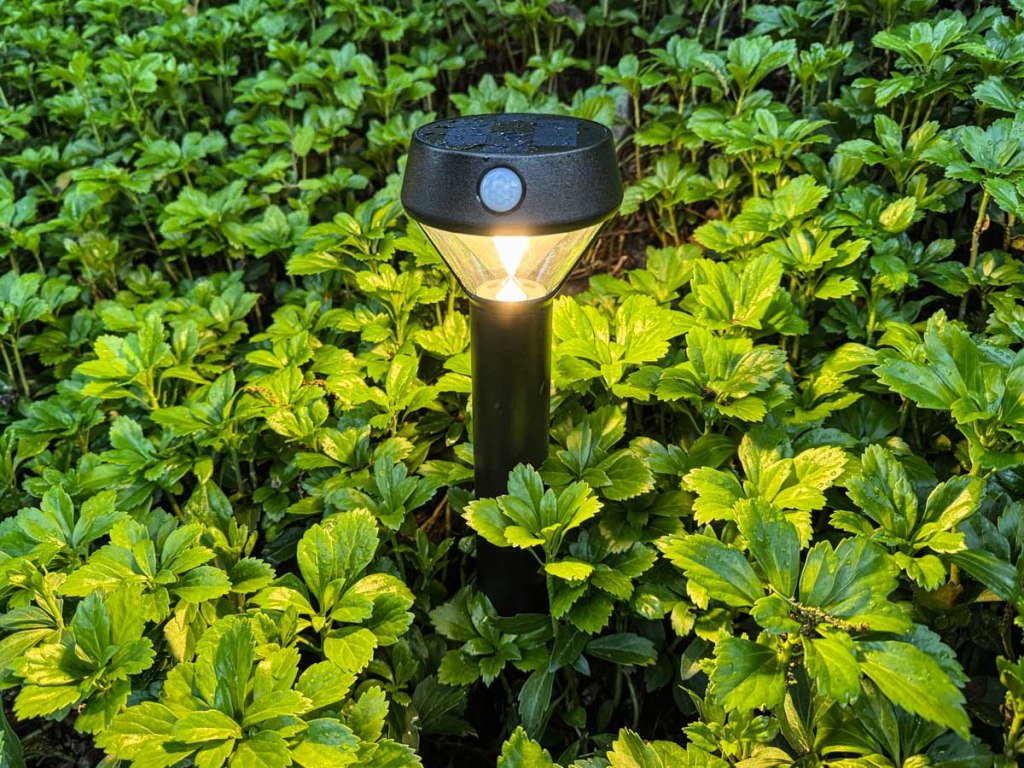
When that was done, I had total control of my new pathway lights, planted in our bed of pachysandra on the edge of the gravel path.
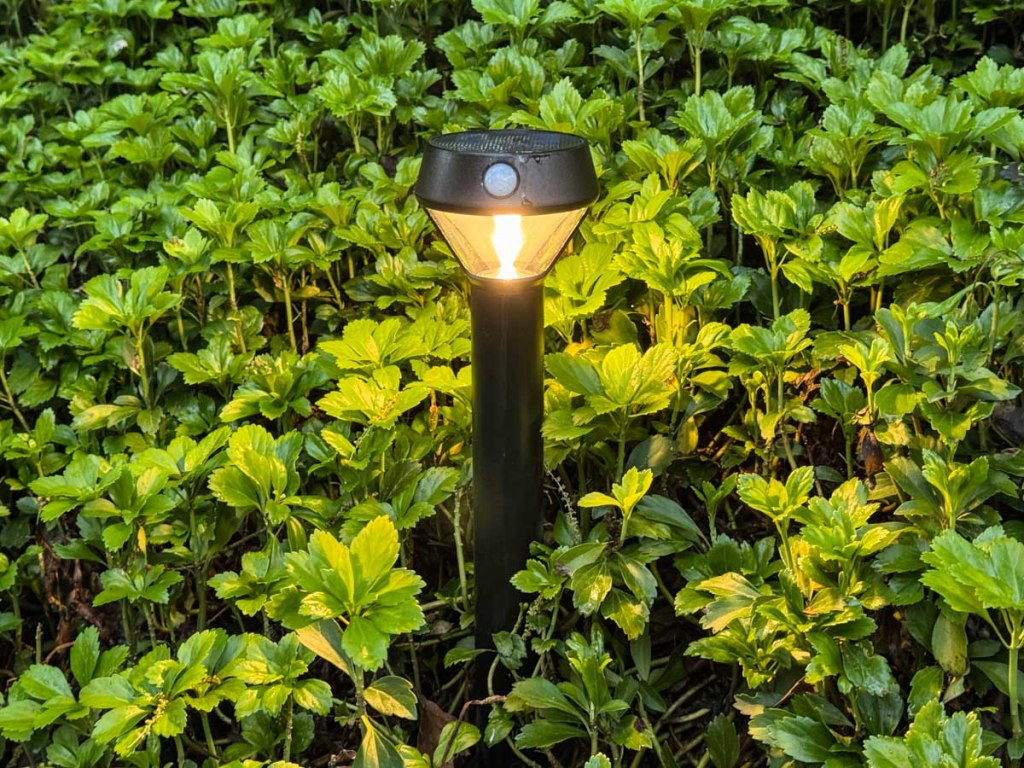
My Experience Using Ring’s Solar Pathlights
My current plan runs these lights from dusk till midnight. Since their positioning doesn’t give them a ton of direct sunlight during the day, I was originally concerned my solar pathlights wouldn’t have enough juice at night. Happily, that hasn’t been a problem. They’ve been operating just fine.

The pathlights’ overnight glow is moderate… not exactly ‘bright.’ But they do have more oomph. You can manually activate brighter settings (up to 80 lumens) for shorter periods or when their motion sensors turn them on. Clearly, their solar batteries can’t handle a 100% brightness load all night long.

That’s okay. Their illumination is sufficient, and I can kick it into a higher gear whenever I want.

What Comes Next
It’s odd this market isn’t more fully built out. But I’m happy with my Ring Solar Pathlight purchase.

No, I don’t own other Ring products. But now that I’m a part of its ecosystem, who knows what might come next… 

The Lester smart home is an always an evolving story.

How to Prevent Hose Water Toxins from Contaminating your Garden

Watering a garden near a house

You may be watering your lawn and organic vegetable garden with hoses and watering products that leach harmful chemicals and even lead. Here’s my ongoing story to find a ‘drinking-water-safe’ solution to that problem.

I set up a little vegetable garden some years back by the side of our house with the goal of growing a few vegetables for our family. It was more of a taste test. A few cherry tomatoes, some herbs and perhaps a couple peppers if we were lucky.

When I put together a watering solution from our outside water spigot, I asked myself (and then wrote about) this critical gardening question:

I determined the clear answer was yes. Most garden hoses with brass fittings and sprayers leach lead and other hazardous chemicals into the water. It’s a mostly unregulated industry, and as a result I think many of us are effectively spraying some amount of toxins onto our lawns every day.
(Yes, I know that sounds dramatic.)

Drinking-Water-Safe Hoses from Water Right
I suppose it’s not as big of a problem if you’re simply watering your lawn, but if you’re eating from your garden, that’s another story. (And you should never drink from a common water hose.)

So, my solution was to shop for ‘drinking-water-safe’ water hoses and sprayers. Yes, some companies do go the extra distance and manufacture safer gardening products. And yes, of course, they’re more expensive.

I did my research and landed on a company named Water Right. Their non-toxic-core hoses are made from polyurethane, and the nickel and chrome fittings don’t leach lead.

I bought a few of their hoses and hooked them up. They’ve held up nicely over the years, and I’ve been quite satisfied.

Garden Hose Care
That said, some will remind me that if you leave your garden hoses outside all summer to bake in the sun (guilty), bacteria will grow in the warm, standing water in the hoses. So, please don’t come by and do a water analysis for me. Yes, I know I may be growing a bit of bacteria, but at least my hose water shouldn’t contain lead, phthalates, BPA and other horrible chemicals.

My Expanded Lawn Watering Needs
Fast forward to the present. We’ve just completed a few landscaping enhancements to our backyard. Now, our new shrubbery requires hydration. Please don’t tell anyone, but I’ve never regularly watered our backyard. (I don’t have a hose system back there.) Somehow, the grass has survived across the years. (It’s not perfect.) The fact that our backyard is shaded through much of the afternoon has certainly helped.

So, it was time to buy another garden hose and sprayer to reach back there.

I could have immediately gone to Water Right. But I was also looking for an upgraded and non-toxic solution for my hose sprayer and splitter for our outdoor water spigot.

Unfortunately, Water Right doesn’t offer those products. So, I did a little more research in the name of one-stop shopping.

Hello ELEY Products
I happily found Eley Corporation from Nebraska that proudly manufactures outdoor watering tools which are non-toxic and made with drinking-water-safe material. Their garden hoses are polyurethane, and their brass watering tools are lead free.

ELEY stocked everything I needed.

  • Drinking-water-safe hose
  • Lead-free brass garden hose sprayer
  • Lead-free brass garden hose 2-way splitter

You have to buy directly from their website: eleyhosereels.com.
(There’s no Amazon option.)

So, I took the plunge. Click.

The ELEY box arrived a few days later.

Big and Beefy
ELEY describes their products as ‘commercial-duty.’ They’re not kidding.
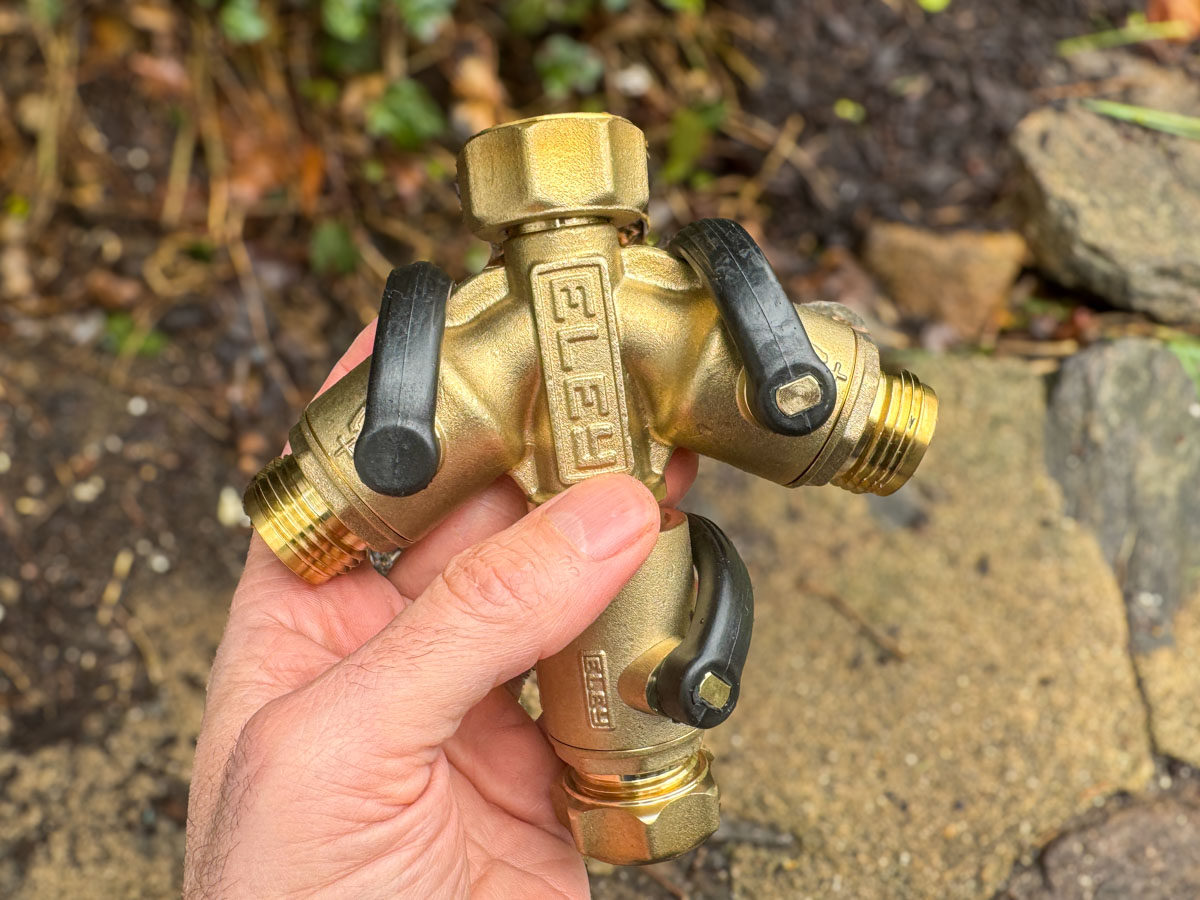
Holding ELEY lead-free brass garden hose 2-way splitter with shut off valve on bottomEverything is big, beefy and heavy (except the garden hose…that’s relatively light).

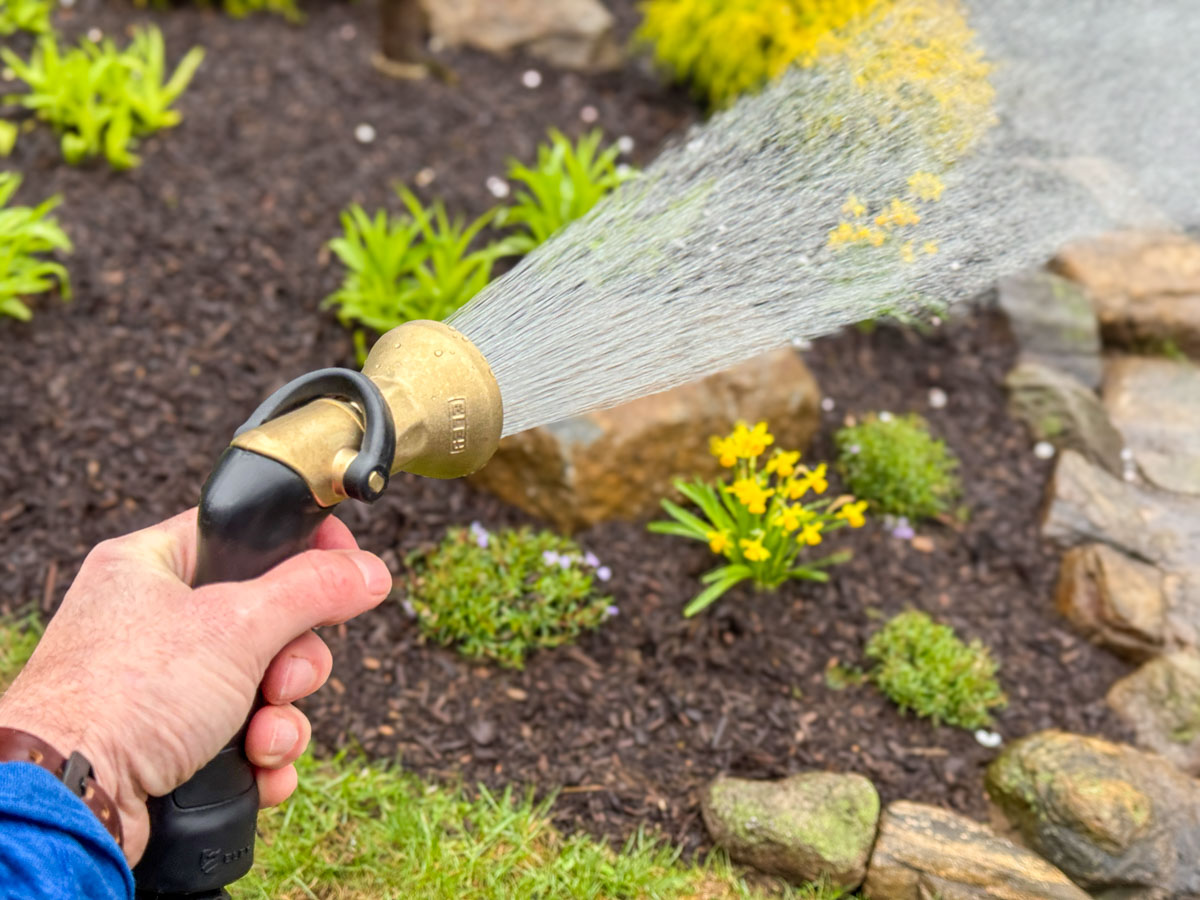
When I first picked up the brass garden hose nozzle (water sprayer), it felt like a weapon in my hand.
Using ELEY lead-free brass garden hose sprayer

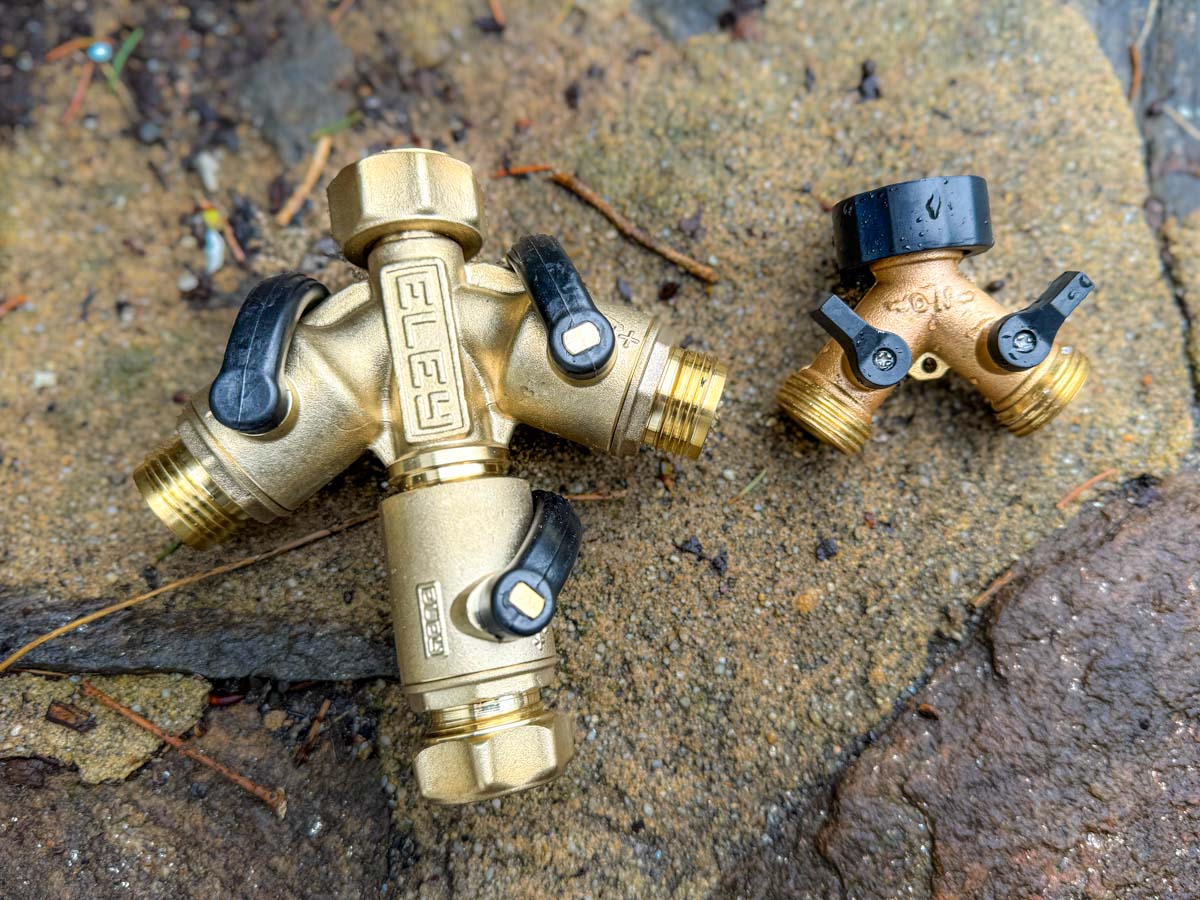
The brass garden hose splitter looked more like a replacement part for a tank. Here’s how it compares next to a traditional water spigot splitter you can pick up anywhere.
ELEY lead-free brass garden hose 2-way splitter placed next to a standard hose splitterYou can see I also bought and attached an ELEY shut off valve for the bottom that effectively makes it a 3-way splitter.

ELEY products come with a 10-year warrantee- No-leak/No-break/No-rust.
I can immediately see why.

You Get What You Pay For
So yes, it costs more.

  • You can buy a water spigot splitter at Home Depot:  $15
    ELEY’s tank-grade version: $46
  • Melnor sprayer at Home Depot for your water hose: $7
    ELEY’s garden hose spray nozzle: $68
    (plus an extra spray attachment if you choose)
  • 50’ vinyl garden hose at Home Depot: $40-$50
    ELEY’s 50’ drinking-water-safe polyurethane garden hose: $127
    (For comparison, Water Right’s 50’ 5/8” polyurethan version is $110
    …so similar.)

Yeah, it’s a dramatic difference. Who would choose to pay double to triple the cost (or more) to water their lawn and garden?

Well, I did.

  • In the name of quality. I should not have to buy it all again in a couple years.
  • And in the name of safety. I’m not spraying out micro bits of lead and other contaminants.

Common Sense
My expanded outdoor watering system is in place and ready for spring and summer. Plus, I’ve taken the extra steps to make it a safer one.

All this said, I’m no expert on this topic. I’m simply trying to provide as healthy an environment as I can for my family. Truthfully, I don’t know exactly how much danger the other mainstream gardening products pose, especially if you’re not drinking the water and only watering your lawn.

But I don’t think this simple everyman can be too far off base. These are common sense conclusions. So, I say why not be cautious and spend the few extra bucks in the name of your family’s health?

Plus, you get what you pay for. There’s a durability proposition here. This outdoor water management system won’t start leaking tomorrow. It’s supposed to last at least a decade.

Barrett’s Message to Other Manufacturers
Thank you, ELEY for manufacturing safer watering products for gardens and lawns. Clearly, there are enough people out there like me to keep you in business. (That’s a heartening conclusion to draw.)

And thank you, Water Right. You didn’t get my spend today, but that’s okay (there’s always tomorrow). I’m still happily using your garden hoses after many years. I applaud your same commitment to making garden hoses that are drinking-water-safe.

And a simple message to other manufacturers out there… More of this please!