At Home with Tech

Unlock the power of all your technology and learn how to master your photography, computers and smartphone.

Category: Tech How To

How to Take 10 Minutes on Vacation to Create a Brilliant Timelapse

I captured a timelapse video of Barred Island in Maine while the tide lowered, revealing a narrow strip of sand and an entry point.

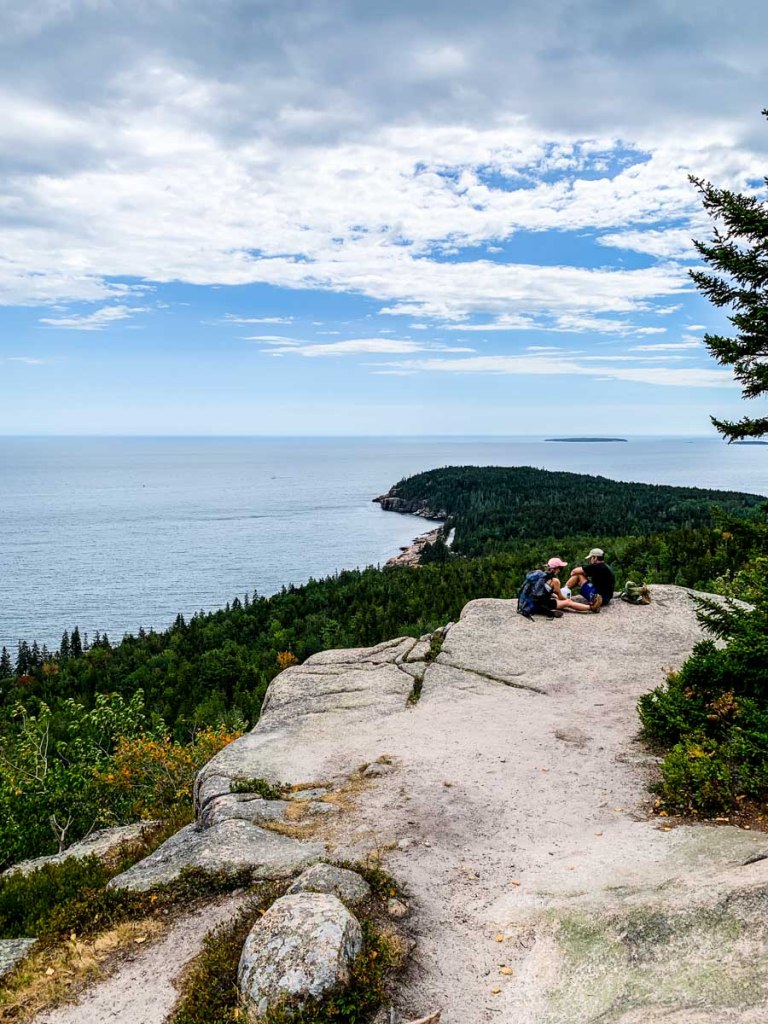
Look, I knew I wasn’t fooling my family. Not when we went on vacation to Maine, experienced an incredible hike in Acadia National Park, and took a break for lunch. Because then, I unzipped my backpack and didn’t take out my sandwich. That sight is an easy tell by now.

Instead, I pulled out a compact tripod and my DJI Osmo Pocket camera which I’ve been using to create timelapse videos for the better part of the past year.

My wife and ten-year-old son have come to expect that I’m going to try to quickly capture a timelapse shot in moments like this.

Ten Minutes on Top of your World
Lunch on the top of a hiking summit a thousand feet up usually happens pretty fast. There isn’t time to capture hours of a changing landscape. Not when I’m primarily there to enjoy it with my family.

But carving out ten minutes? Yes, my family can handle that.

Capturing a video frame at two-second intervals for ten minutes creates a nifty ten-second timelapse.

It’s enough.

Enough to allow me to feed my creative spirit, but not too much to be disruptive to the larger goals of our day.

Chasing Nature’s Relationship with Time
Snapping a photo isn’t a problem. We’re all used to pausing for someone who needs to take a few seconds to get a quick picture.

But timelapse shots are a different game, and those ten minutes can feel like an hour when it’s really time to resume a hiking trek. I actually take closer to fifteen minutes, because I also need to set up and break down my little tripod. (It’s a Manfrotto Element Small Aluminum Traveler Tripod. $93.84 on Amazon.)

I really appreciate my family’s flexibility as I’ve explored my little hobby capturing nature timelapses.

My Timelapse Videos from Maine
Last week, I shared my favorite photos from our Maine hiking trip.

And now, here are my timelapse clips from our fun adventure in Maine.

Thank you, DJI Osmo Pocket, Manfrotto tripod and my family for helping me to capture these beautiful moments.
My Favorite Photos from our Maine Vacation

I used a couple of guidelines to help me spot my favorite images during our road trip to Acadia National Park. And here’s the result…

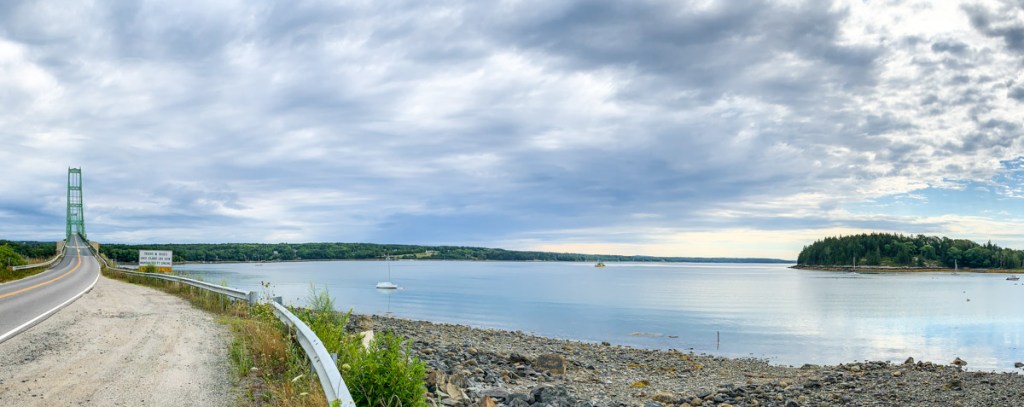
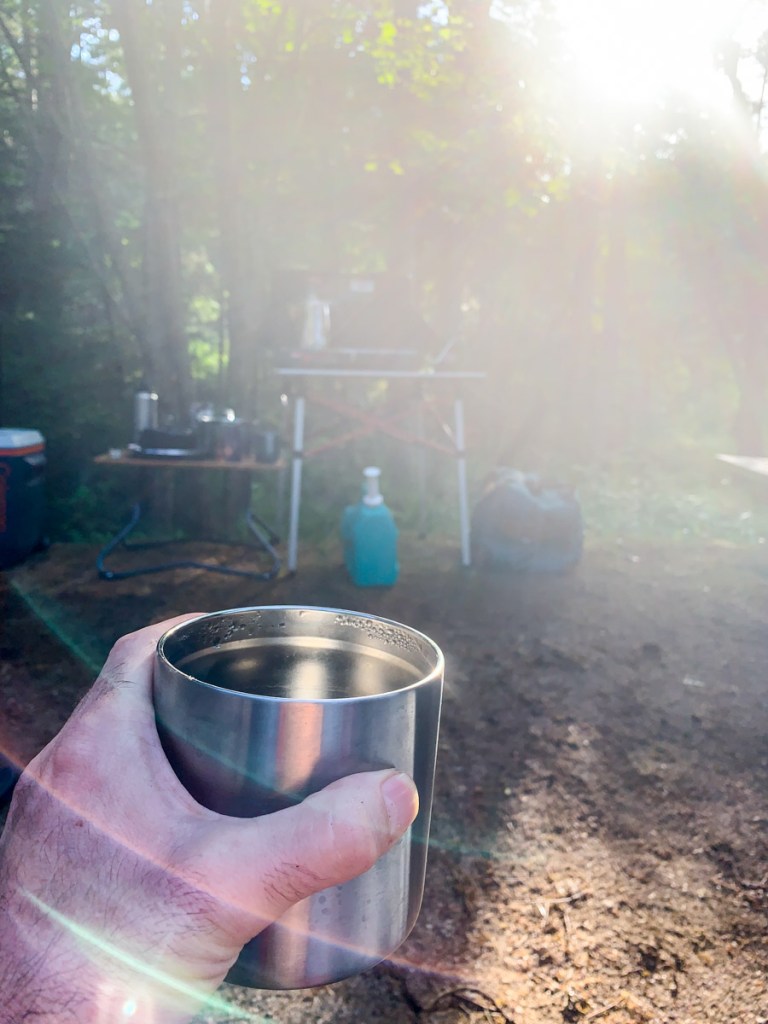
What did my family and I do this year for a pandemic-influenced summer vacation? We drove to Maine, camped in Deer Isle and hiked in Acadia National Park. It was a spectacular experience.

Bringing the right tech to complement our camping gear was an important step to keep us on the grid. Here’s my checklist to make sure you bring enough portable power.

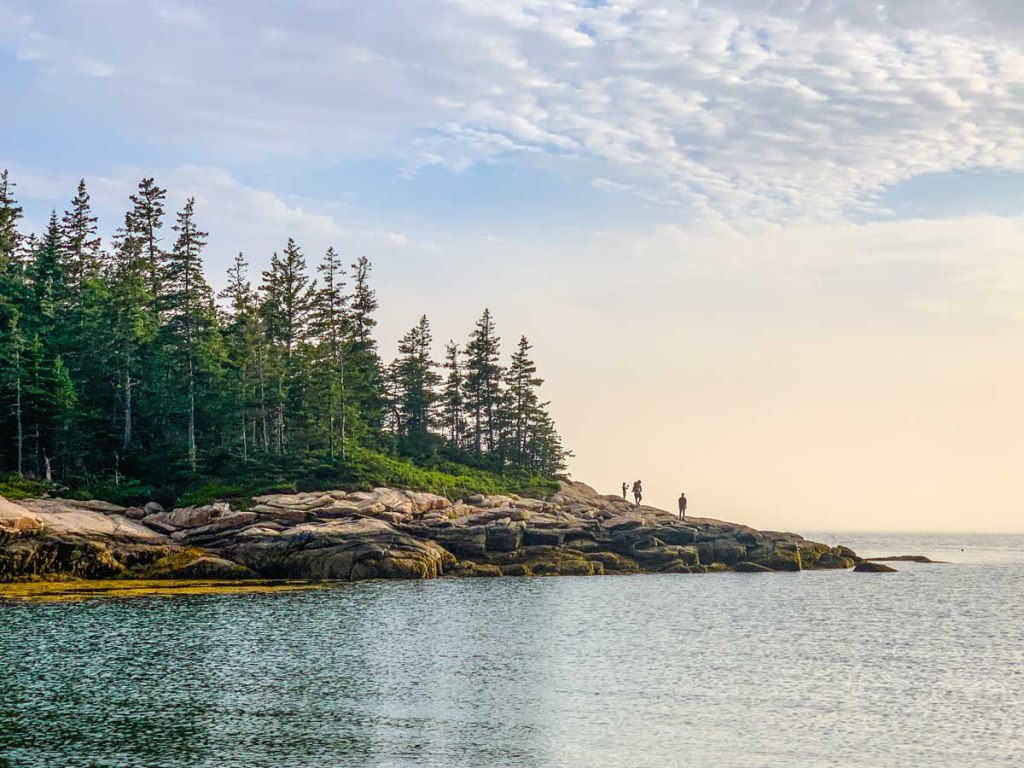
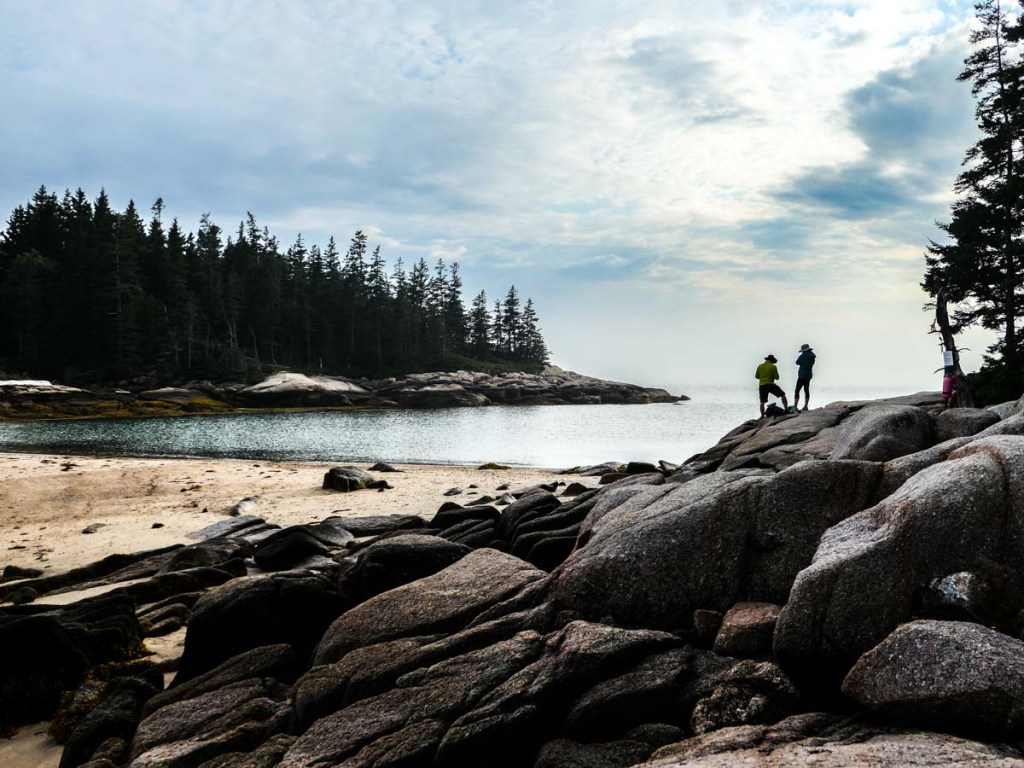
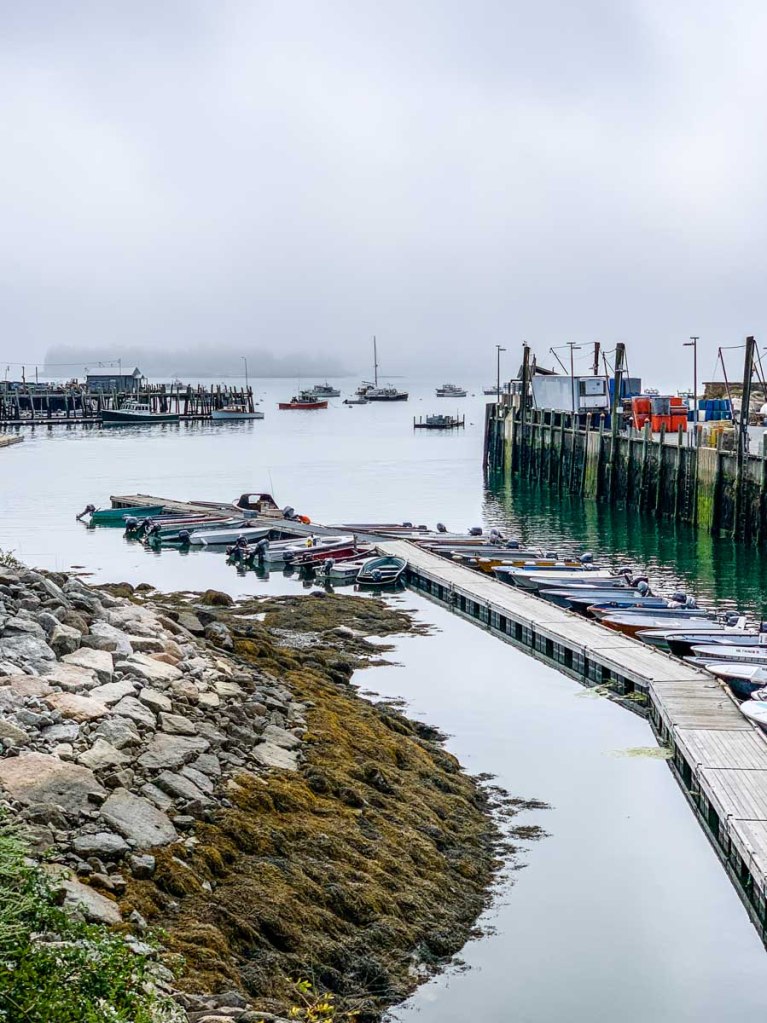
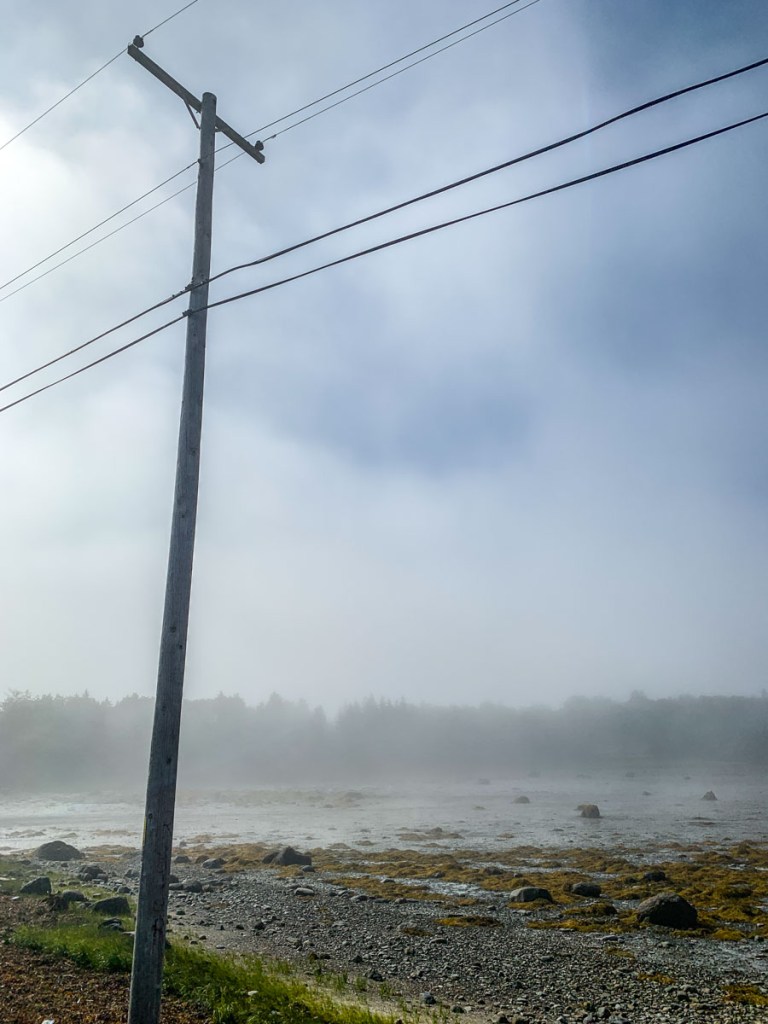
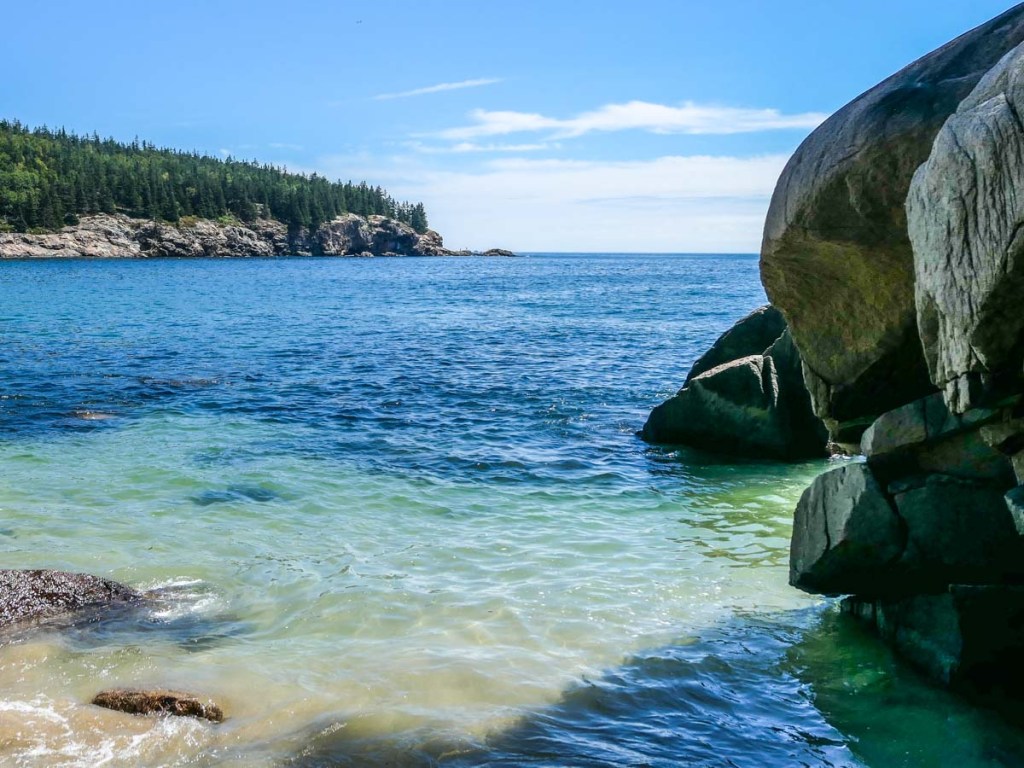
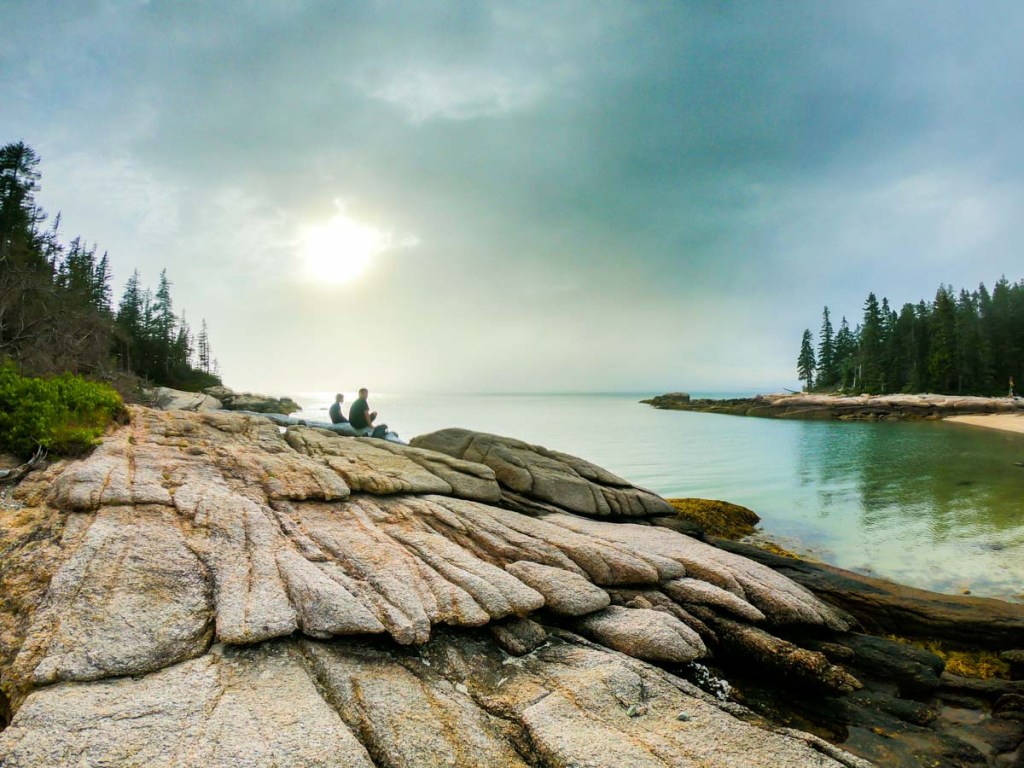
Of course I snapped a number of photos along the way. I was really struck by Maine’s rocky topography. (That created some really cool contrast in my shots.) And depending on the weather, Maine’s shoreline imagery vacillated between bright beauty and eerie fog.

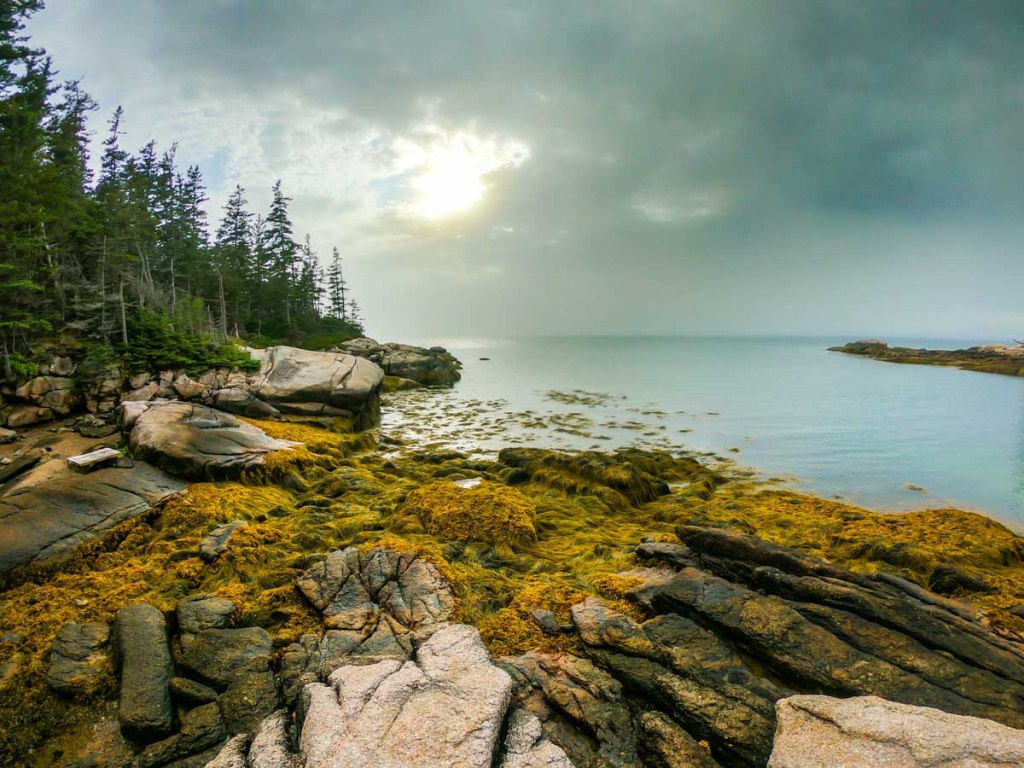
We happened to spend a fair amount of time driving during low tide. And those moments revealed a damp, almost alien-like, brown and green rocky landscape… begging to be photographed.

Keep your Shots Wide

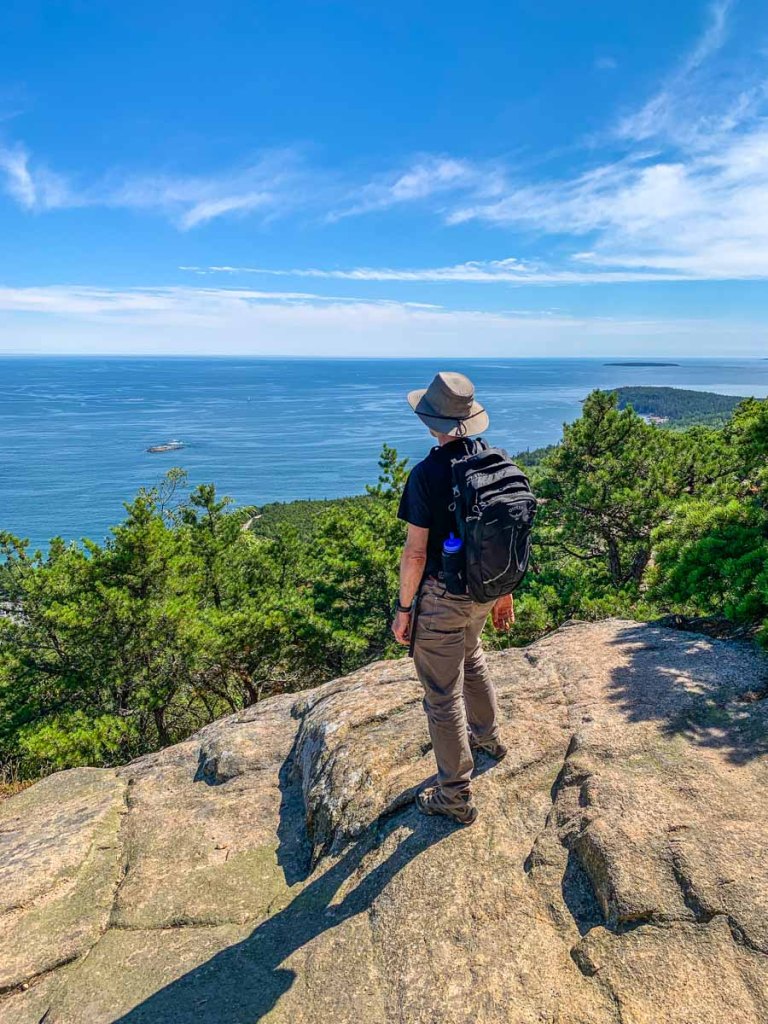
I quickly found that using a camera or a smartphone with a wide-angle lens is critical, especially if you like to take family selfies at the summit of a hike. That’s because you’ll want to capture enough of the environment around you in the shot to show where you are. (I used my GoPro for that.)

Tight shots can be great, but I feel this type of vacation photography is all about the wide. If you hope to capture a fraction of that feeling you get when you look around after you’ve climbed a thousand feet up, you’ll want to focus your camera wide. (And the same goes even if you’re walking on a beach.)

Let the Natural Beauty Tell the Story

So, here are some of my favorite shots from our trip to Acadia National Park and Deer Isle. I hope you like them!

Three Preparation Tips for the Next Blackout

Having enough rechargeable portable power is a key component to effective blackout planning. Here’s what I recommend…

COVID-19 isn’t the only challenge that Mother Nature has been throwing at us. The pandemic may be dominating most of our attention, but it’s important to remember there are other disruptions we need to prepare for. I’m talking about powerful storms that can knock power out for days. Yes, it’s that time of year when your daily life can quickly grind to a halt, and you find yourself becoming a nomad, in search of electricity to power your essential tech.

Recently, Tropical Storm Isaias blew through my neck of the woods, taking out power for over 675,000 people in Connecticut. It took almost a week for some folks to get their electricity back. My neighborhood was dark for days, but in a lucky twist of fate, our street didn’t go down.

So, we hosted a power-up barbeque for some friends whose house didn’t fare as well. They brought over their entire arsenal of mobile tech, and I set up a power station for them to use on our deck to maintain social distancing. As they were leaving, I also lent them one of my beefy RAVPower portable chargers to help maintain their tech glow for as long as possible.

Battery Back-Up Planning
When the power goes out, having a gas or propane power generator is obviously a great way to maintain your home’s critical equipment, like heat and air conditioning. (Plus, it will keep your smartphone charged!)

But short of taking this expensive step, having enough portable battery power on hand may be sufficient to at least maintain your electronic communication needs for a few days.

This may seem obvious, but it’s always a good idea to review the state of your battery back-up arsenal before you need it.

My parents taught me to always have a good flashlight on hand along with candles and matches. Here are three next-generation tips:

1.
Prioritize your Smartphones
Make sure you have enough rechargeable portable power banks to keep all of your family’s smartphones going for a week. Say what you will about our reliance on the smartphone, but communication with the outside world is really important, especially during an emergency.

I’m partial to Anker and RAVPower products. Recently, I picked up a RAVPower battery with a twist… it also has a solar charger on its side to help keep it going.

It’s the RAVPower Solar Power Bank (25,000mAh)
$45.99 on Amazon
RAVPower says it will charge an iPhone 8 nine times and a iPad mini 4 three times.

Speaking of solar…

2.
Go Solar
Goal Zero makes a variety of solar panels that will charge your portable tech (as long as the sun shines).

Their products are designed for camping, but they’ll work just fine when you’re camping out at home without electricity.

It’s expensive tech, but the sun is free to use.

3.
Use your Car as a Digital Life Boat
If you’ve got a car, you probably already have a smartphone charger set up in it. Don’t forget about that charger, even if you’re not driving anywhere.

Your vehicle can easily become your digital oasis.

Time to Set Up Camp at Home
No, none of this is revolutionary. The idea is to simply make sure you’ve got enough battery power to recharge your tech when the unexpected happens.

In a pinch, my parents relied on candles. They always work.

So does a little portable power and the right charging cables.

When the power goes out, and your home looks like it’s devolving into a wilderness, you’ll feel a lot better if you can easily set up your digital tent and go camping!