At Home with Tech

Unlock the power of all your technology and learn how to master your photography, computers and smartphone.

Tag: Google Whisk

Here’s How I Finally Wrapped My 9th Grade Film Thanks to AI Video Generation

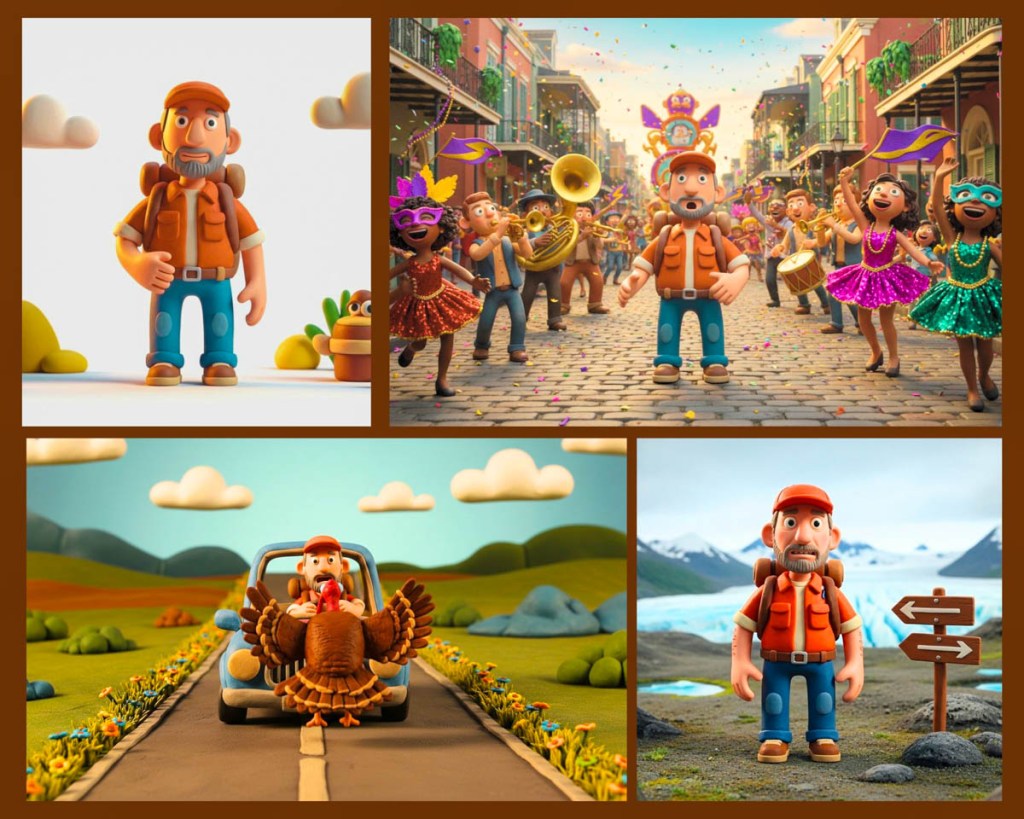
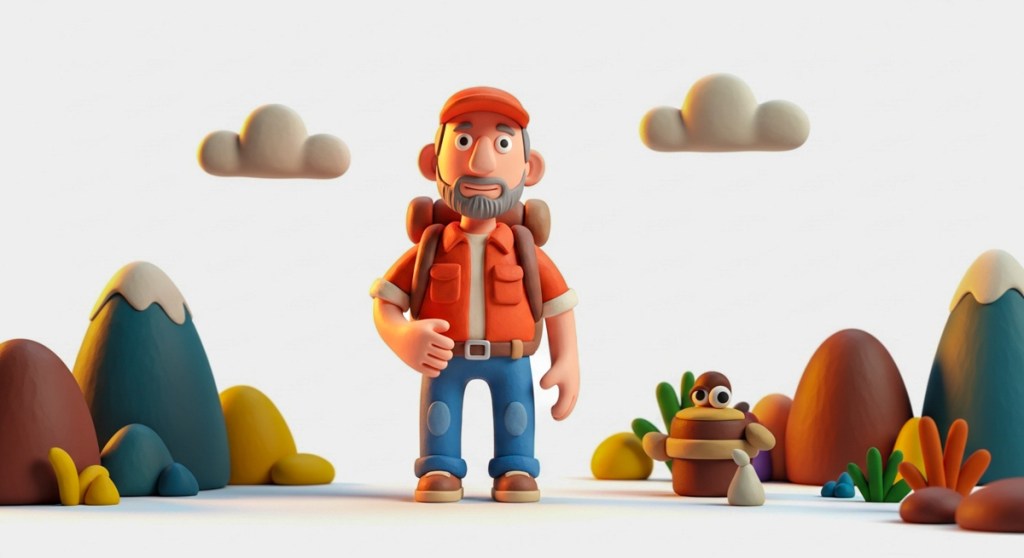
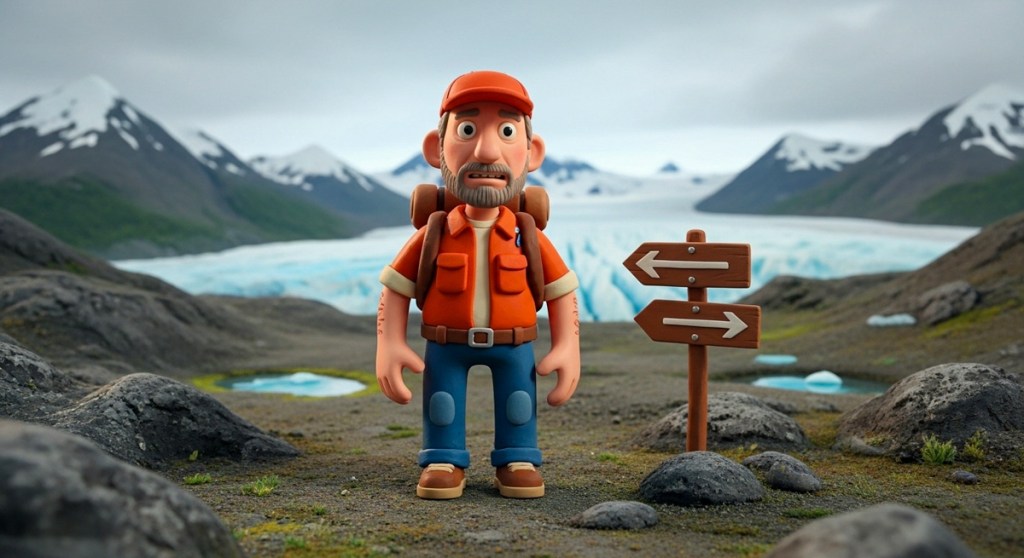
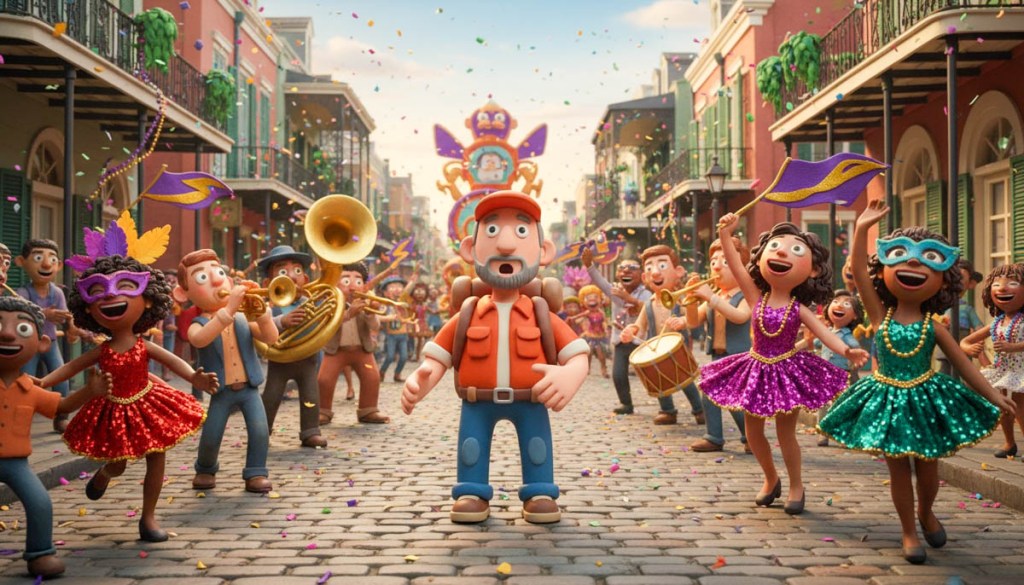
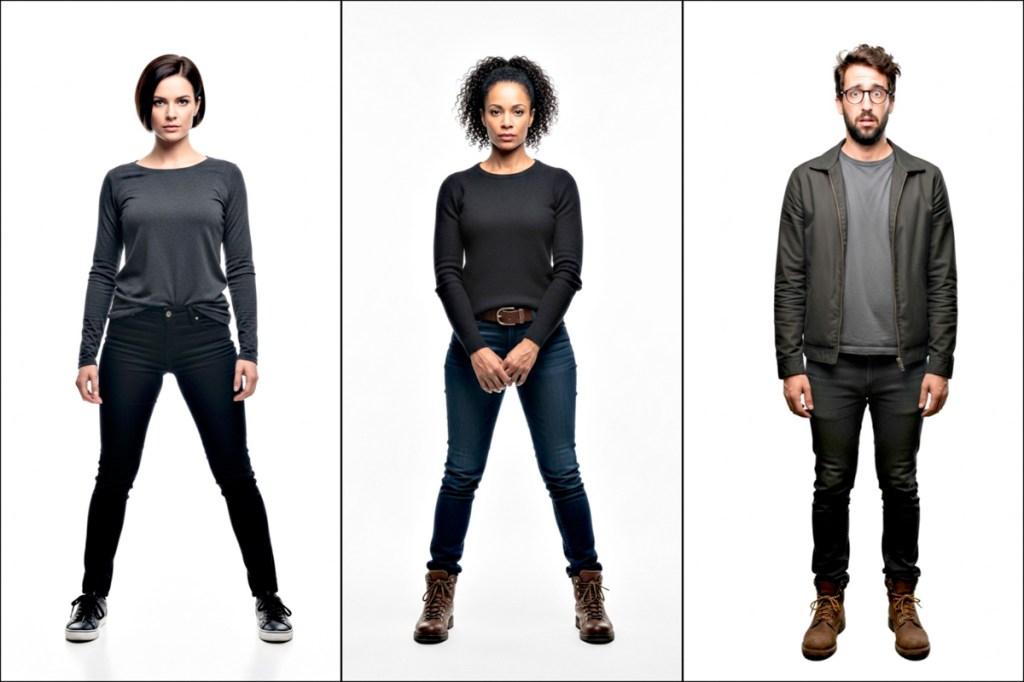
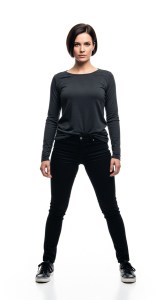
These are the AI characters I created to star in the big scene from “The Portal in Central Park,” originally written by me and a few friends decades ago and finally brought to life through Google’s Veo 3’s AI superpowers. Here’s how I did it.

When I was in 9th grade, I joined a school project with some friends. We were going to shoot a science fiction mini movie around Central Park in New York City. We wrote part of our time travel script, discussed the many logistics and locations we’d shoot in. 

Young Filmmakers on the Streets of New York?
I remember we were going to feature a tall, black obelisk that at the time was found at the entrance to Central Park on 59th Street and 5th Avenue. The sculpture would be the ‘time portal’ that our characters would walk towards and disappear through. Clever editing would avoid the need for special effects.

We were in ‘preproduction’ that spring, and it would have been a spectacular time to film on the streets of New York. Though we were all inspired by the potential of our little project, most eventually realized the many complexities of making a movie and how long it really would take to pull it off. Still, I felt undeterred. But the others had a different (more realistic) view.

Our project started losing steam, and ultimately, our short flick never got out of development. It was simply too big a lift. A few months later, we all graduated, and that was it.

My Origin Story that Never Happened
This would have been my origin story as a fifteen-year-old filmmaker, but it was not to be. (Instead, a year later, I found a more structured opportunity to explore my video production interests in high school.) 

But I’ve never forgotten about my first student movie short that never was. That obelisk scene is seared into my long-term memory. I really wanted to capture that shot. I saw it so clearly.

I still do.

AI Video Generation Can Bring Your Vision to Life
Over the decades, I’ve occasionally found myself returning to the nagging sadness that we never finished our movie. Heck, we never started it!

But if I could somehow go back to the future and capture that obelisk scene, maybe I could check it off my bucket list.

Well, now I can… from the comfort of my home office with a little text-to-video prompting and the power of AI video generation.

Yes, the magic of Gen AI is transforming our existence on a daily basis. And yes, it can now enable me to finally manifest my dusty vision out of thin air. 

So that’s exactly what I decided to do. 

There are multiple platforms that are up to the task. I decided to use Google’s Veo 3.1 and Flow/Scenebuilder. So, I signed up for the Google AI Pro plan for twenty bucks a month. I felt that would give me enough generative AI credits for what would be a 30-second scene.Text to Image Prompting
First, I created still images of my three main characters using Google Whisk and its text-to-image generation powers:

The Leader

Second in Command

The Nerd

Text to Video Prompting in Scenebuilder
Any remnants of our original script were long gone, but as I’ve said, the obelisk imagery remained clearly in my mind.

I’ve admittedly updated the characters (away from a few school kids) and added a few lines (current scriptwriter’s prerogative). Yes, these AI characters can talk!

Then, I uploaded the images of my AI actors and began typing in prompts for individual shots around this one scene. I relied on the ‘Scenebuilder’ mode to retain the same characters and background from shot to shot.

Veo 3.1 is impressive, but it also hallucinated a fair amount, adding in new scripted lines, a few of which I end up using. 

“The Portal in Central Park,” My AI-Generated Movie Scene
And here’s my completed 30-second scene, “The Portal in Central Park”… finally ready for its premiere all these decades later.

Imperfect, Yet Simultaneously Stunning
Okay. This is not exactly going to win any awards, and it does look rather fake (Though not entirely fake… It could easily serve as an early draft for a pitch to do a real shoot).

And I also found myself struggling to get precisely what I wanted. (Perhaps that’s due to the limitations in my basic text prompting skills.) Strangely, I felt like a director arguing with live actors who didn’t want to follow my direction.

As I mentioned, I ended up accepting the actors’ improv in a couple of the hallucinations. So, this scene isn’t exactly what I originally envisioned, but it’s close.

The background music is also AI-generated through Google’s MusicFX platform. I just typed in… “A cinematic feeling piece of music suggesting that time is running out. Exciting violins. Medium tempo.”

Click. One try is all it took.

That’s a Wrap!
Ultimately, I found it amazing what I was able to accomplish in just a few hours. That said, I edited the clips together manually in Final Cut Pro. This part still required (for now) nuanced timing and a human touch.

Each clip took about a minute to generate using Veo 3.1 Fast mode. And yes, there were many that ended up on the cutting room floor. 

But as imperfect as the results were, I can still say I successfully brought my teenage cinematic vision ‘to life.’

The Future of Visual Storytelling
But I must admit there’s more to this exercise than completing the big scene from an old school project that I’m sure my former classmates have long forgotten about.

The truth is I’m back to where I started as a teenager. I still feel the creative passion to bring stories to life, but I again need to learn how to use the tools available to me.

And that’s exactly what I’m doing.

For twenty bucks, you and I can conjure up complete videos with stories and characters based on simple text prompts. It feels entirely like a fantasy. But it’s not. 

The only part of the process that feels normal is this: 

-The power of the written word is as strong as ever.

Keep It Real
We’re clearly in the middle of a creative revolution. If you want to keep up, there’s no time to lose.

Learn how to use these new AI-fueled creative tools, which will continue to improve… There are countless reasons why.

…Or else you may find yourself eventually becoming the hallucination on the cutting room floor.

Using AI to Bend Reality in My Vacation Photography

I enjoy taking lots of photos of my life. Why exactly? Well, why does anybody?

  • To remember. To reflect. To share. To prove that it happened.
  • Family. Vacation. Adventure. Misadventure. Home. Passion. Life.

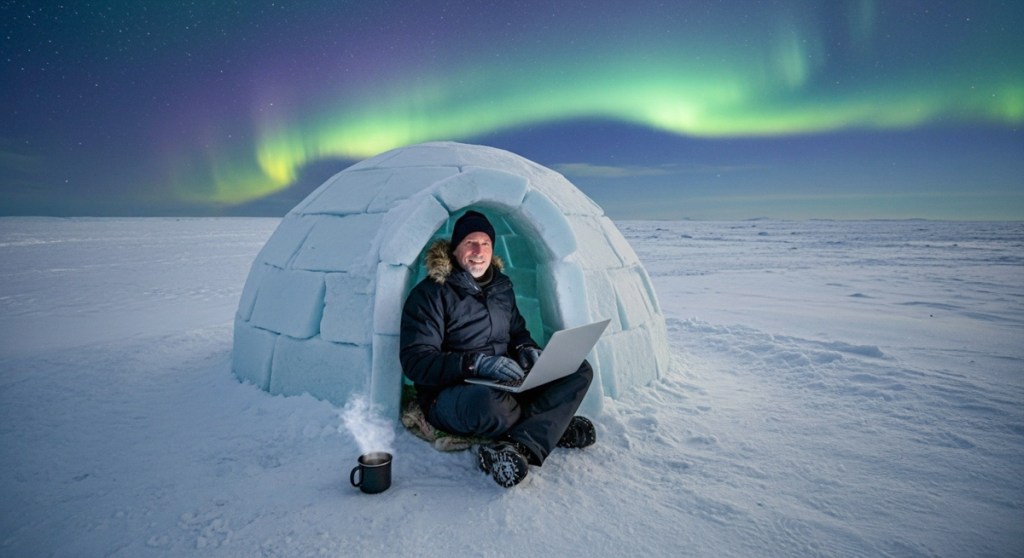
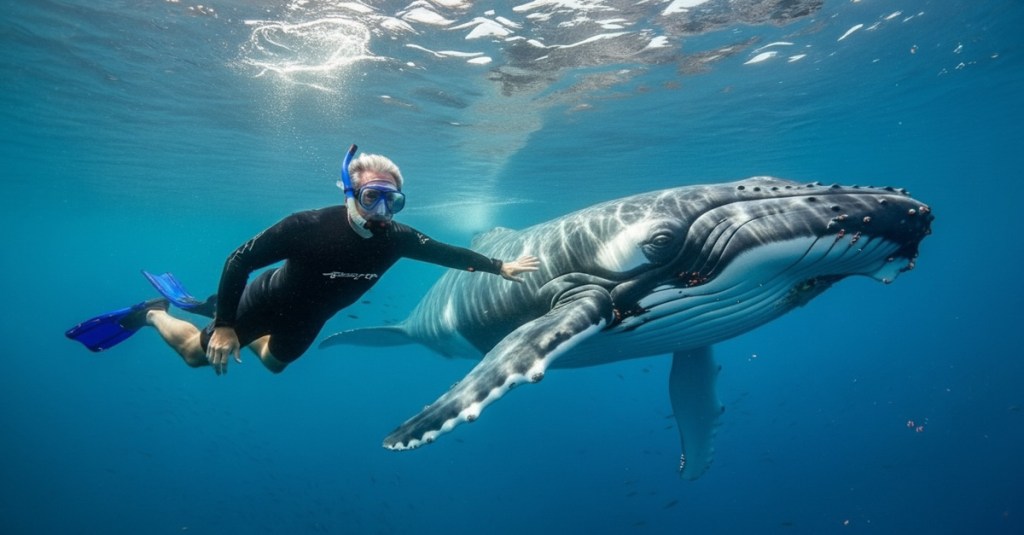
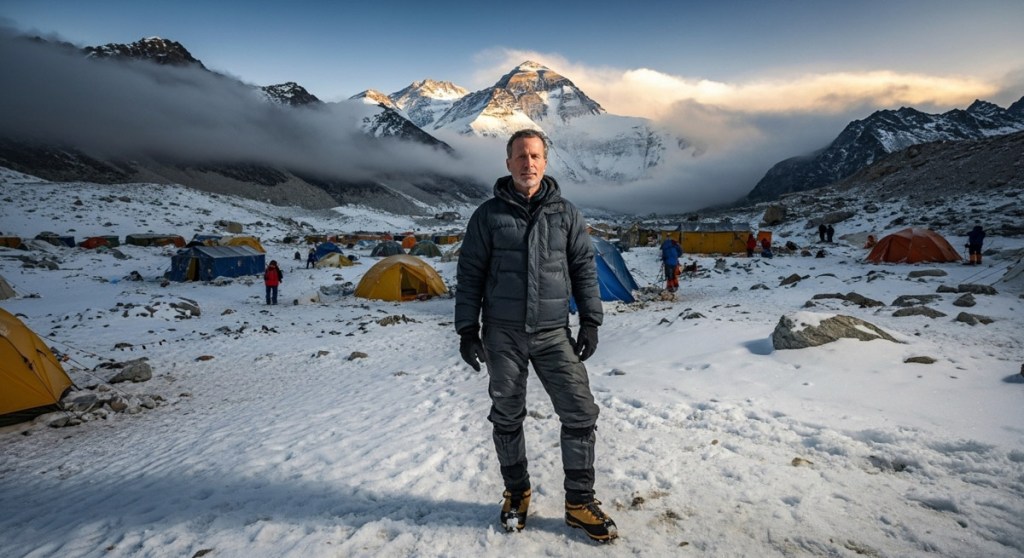
But now with a little help from generative AI, you can whip up your own life’s photos without having to actually experience… your life. Now, you can document your imagined life and share this alternate version if you want.

Sure, I know this all sounds rather absurd. But the fact that it’s possible now… easy in fact, should give us all pause. What is real anymore? 

This is, of course, a big topic of discussion on any number of fronts. For the moment, I’m simply directing the focus inward from societal to individual impact.

Google Whisk’s ‘Precise Reference’ Mode
Okay. So, with that set up, here’s how to have some ‘fun’ reinventing your life in pictures.

I’ve been experimenting with Google Whisk (one of several players in this disruptive and quickly evolving digital sandbox). Here’s the game-changing trick I’ve recently learned that turned this AI image generator into a reality-blending tool.

  • Activate ‘Precise Reference’ mode in Settings.

From there you simply need to upload at least one pictures of yourself for Whisk to see. That’s the critical reference point that puts ‘you’ in the new scene.

You can also upload photo backgrounds to help art-direct your shot or create them via text prompts.

Then, everything is ready for you to prompt your new photo into existence…starring you.

And then just click to generate.

Photos from My Vacations Not Taken
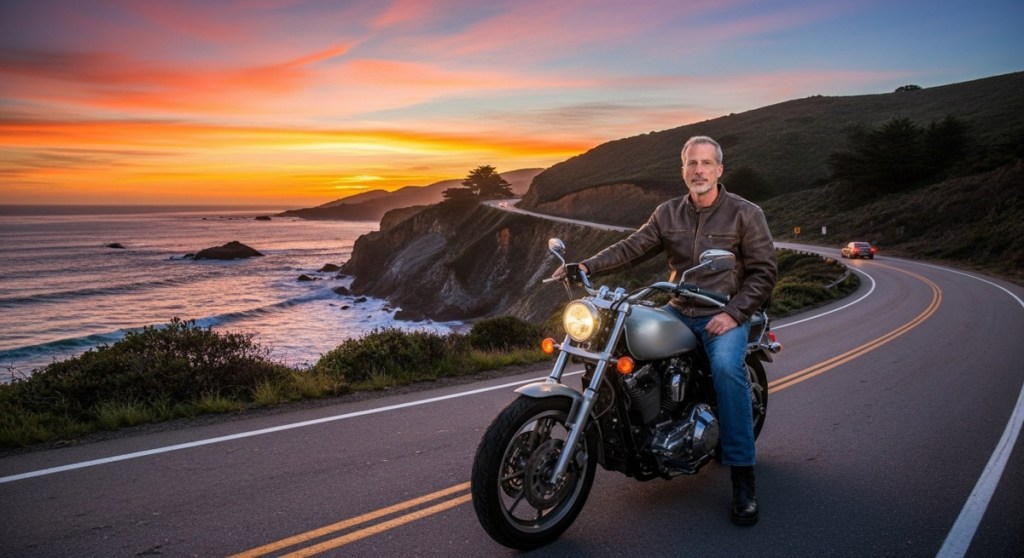
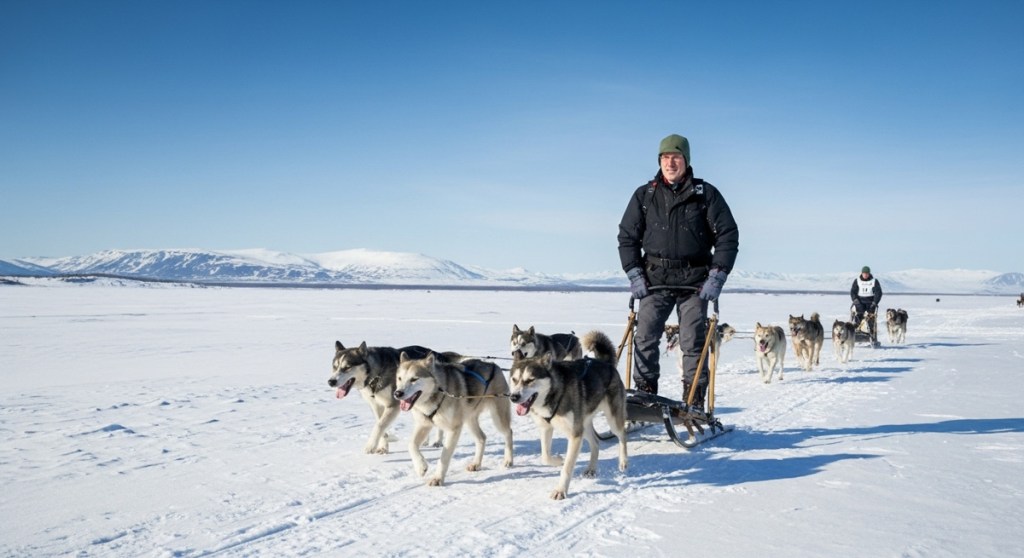
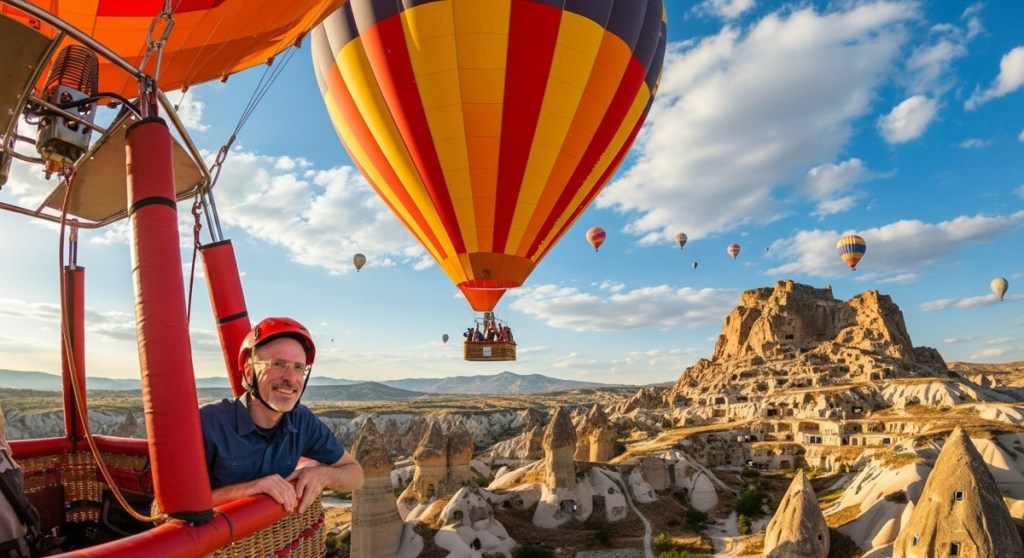
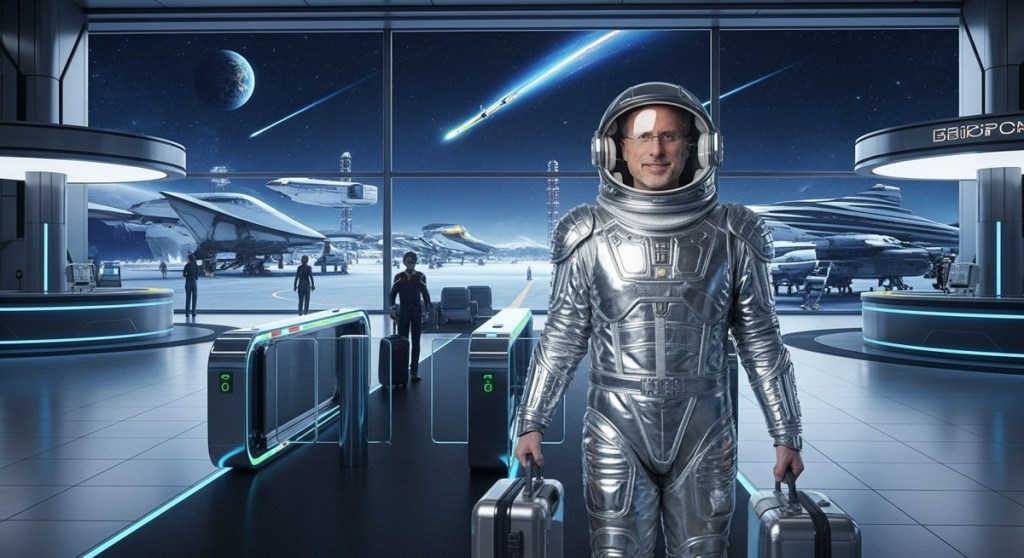
I followed the above steps, and within seconds, I received back each of these vacation photos from my alternate universe.

Sailboat Racing Fun

Seeing is Believing?
Whoa. This other guy sure is having fun. Maybe he should dial it back a bit. No, these AI-generated shots aren’t perfect. But they’re close enough to prove my point.

Creating a fake photo isn’t exactly new. Other tools have been available to do that for years. But it used to take a certain amount of skill and effort. Now, with a couple reference photos, a few clicks and a basic understanding of the process, everyone can access this great power. 

And we all know the line from “Spider-Man.”

Time to Meet Your Doppelgänger
I am fascinated. I am concerned. I am confused. My creative center feels in flux. My very existence can be morphed (as can yours).

But I’m determined to figure out how to properly integrate this AI-led creative revolution into my own reality (as we all should).

To truly understand it, you have to know how to operate within it. This is no time to ignore what’s already happened.

That’s why I’m spending time creating a vacation album from my alternate universe. Yes, it’s been a fun exercise. 

But I couldn’t be more serious.

How to Magically Turn your Photo into a Video Using Generative AI

The creative realm is no longer inhabited exclusively by human minds. Generative AI tools have revolutionized how you and I can develop our own creativity. Yes, AI may still require our inspiration, but then it magically does most of the work.

One way to quickly immerse yourself in this new creative workflow is through a simple shortcut. Just start with a real photograph/image that you’ve already created as a reference point. Then, it’s much easier for an AI app to develop it further as opposed to having to start the process from scratch through extensive prompts.

For me, that’s been the key to easily unlock AI’s visual powers.

AI Follows the Creative Direction from your Photography
After uploading your own photo, you can create an AI-generated clone in one click that looks remarkably similar. The AI takes certain creative liberties, but it nails the framing and essential visual elements.

And then, with just a few more prompts and a click, you can generate short video clips that bring your photos to life.

So yes, we can now create videos out of thin air based on our photography. 

Here are a few examples I generated after feeding my photos through Google’s Whisk and Veo generative AI models. (Other companies offer similar fast-developing technologies.)

Maine Sunrise
I snapped this sunrise photo during our Maine vacation:

Here’s the Google Whisk version:

And here’s the Google Veo video:


Alaska Sunrise
Here’s my sunrise shot from Homer, Alaska during our 2023 trip.

Whisk photo:

Veo video:


Baltimore Sunrise
Here’s my photo of people walking by the water in Baltimore, Maryland.

Whisk photo:

Veo video:


Two Paddleboarders on the Ocean
I photographed these two paddleboarders in Maine last year.

Whisk photo:

Veo video:


A Man and his Dog
During our vacation in Alaska, I took a photo of a man with his beautiful golden retriever. I processed it through Google Whisk and Veo and generated this:

Whisk photo:

Veo video:


Generative AI Provides the Paint and Canvas
I find these examples remarkable and clearly disruptive. I’m still adjusting to the massive implications to all this. 

Generative AI tools have quickly become our new paint and canvas to bring our creative ideas to life. And the results will only get better.

So, it’s time for all of us to relearn how to paint, even as photographers.