
From Dark Path to Smart Glow: My Quest for Backyard Solar Lights
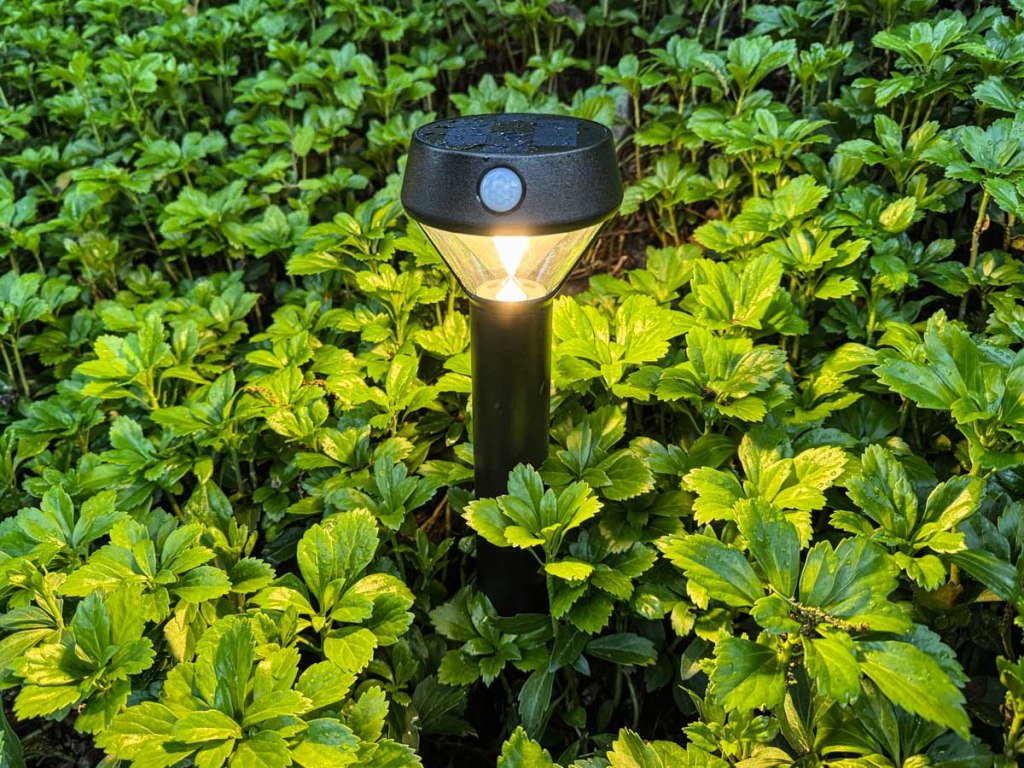
We’ve set up a small fire pit area in our backyard, complete with a new Solo Stove and Adirondack-style chairs. After trying out our newly created outdoor space at dusk, I discovered a problem. It was too dark while walking out on the gravel path that leads to the back of our property and our Solo Stove. The path, which traverses a small slope in our yard needed a bit of lighting.
This requirement became clear while we were hosting dinner for a few friends on our deck. When we walked down the deck stairs in the near-dark onto the path to fire up the Solo Stove, my friend commented that it was hard to see the path’s surface for that final step down.
That’s code for, “Someone’s going to break a leg!”
A leap of faith to my fire pit? Maybe tripping and falling down my little hill? No, that’s not what I was going for. So, it was time to illuminate the situation.
Solar Power to the Rescue
The obvious solution was to buy a few solar pathway lights. They charge up during the day in the sun, and then they shine throughout the night. There’s about a trillion of them on the market. They’re relatively inexpensive… some are under ten bucks.
I’m no stranger to this outdoor lighting strategy. I bought eight solar path lights years ago for the front of our house. But I damaged a couple with my lawnmower, and the rest broke or wore down over time. Ultimately, I didn’t replace them, as our landscaping focus moved to other priorities.
While that was a nice-to-have lighting solution, now I had a specific need. So, I began my research anew…
Shopping for Smart Solar Pathway Lighting
Solar landscape lighting tech hasn’t seemingly advanced that much. Some lights make it through the night. Others… not so much.
But that important variable really didn’t address my total need. I wanted more control of my solar lights, beyond set-it-and-forget it. I might choose to turn them on during specific nights or just when we’re hosting a party.
So, yes.. I’m talking about smart solar lighting. And yes, I wanted to control them with an app on my iPhone.
(Cue the tumbleweeds.)
Astonishingly, no company makes that for the consumer market. Well, none that I could find.
Nobody… except for Ring.
Ring Solar Pathlights
Ring appears to be the only manufacturer that’s in the smart outdoor solar lighting market.
Ring’s Solar Pathlights integrate into Ring’s larger home security ecosystem… doorbells…cameras… alarms. Beyond the pathlights, the one extra piece of Ring gear you need is a Ring Bridge. That’s the Wi-Fi hub that connects these smart pathlights to Ring’s smartphone app.
App-tastic
And the app works great. You can manually turn all your pathlights on and off via the app. You can schedule them. You can let them go all night long.
You can also activate the built-in motion sensor on each Ring Pathlight (which aligns back to Ring’s home security focus).
Pricing
Yes, Ring’s smart solution costs more.
- Each Solar Pathlight: $34.99 (There’s a 4-pack discounted bundle for $29.99 each.)
- Ring Bridge: $49.99
So, all in… my 4-Solar Pathlight kit cost $169.91… plus tax.
(Compare that to a fifty buck price point for 4 old-school solar lights.)
But again, as best as I can tell, Ring is the only player in this market. So, I signed up and joined their team!
Set Up
Setting up my four smart pathway lights took a bit of time, but the process was straight forward.
- Download the app onto my iPhone
- Set up the Ring Bridge near a window facing my backyard
- Add each Ring Solar Pathlight into the app (using the QR codes included in each box)
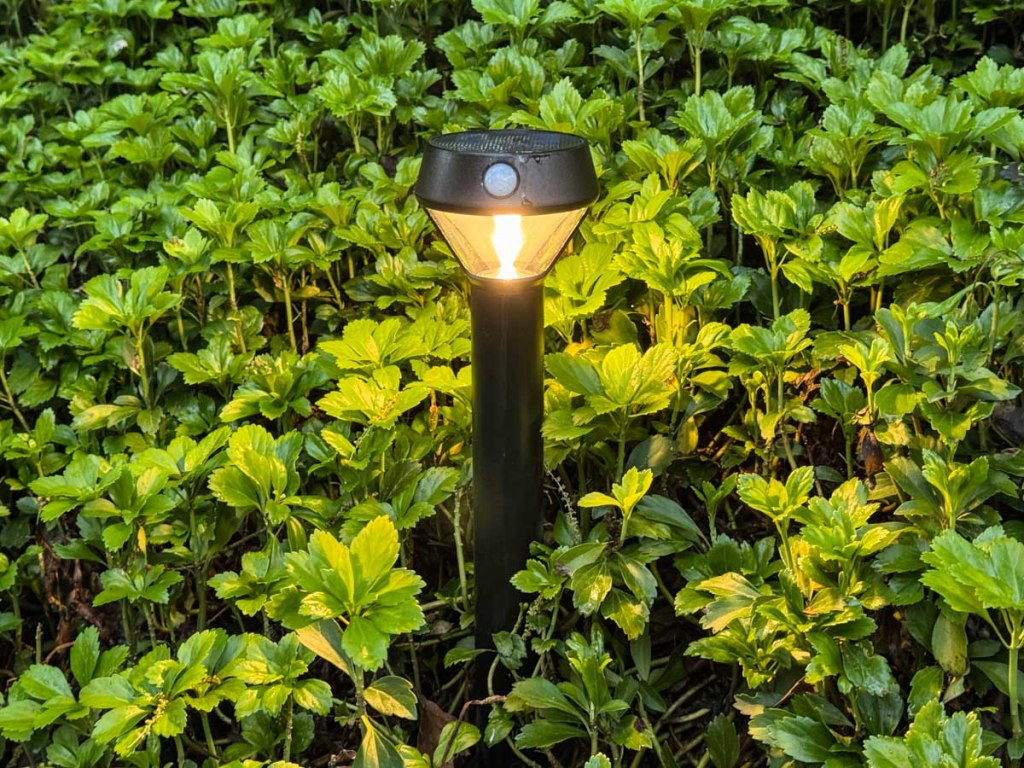
When that was done, I had total control of my new pathway lights, planted in our bed of pachysandra on the edge of the gravel path.
My Experience Using Ring’s Solar Pathlights
My current plan runs these lights from dusk till midnight. Since their positioning doesn’t give them a ton of direct sunlight during the day, I was originally concerned my solar pathlights wouldn’t have enough juice at night. Happily, that hasn’t been a problem. They’ve been operating just fine.
The pathlights’ overnight glow is moderate… not exactly ‘bright.’ But they do have more oomph. You can manually activate brighter settings (up to 80 lumens) for shorter periods or when their motion sensors turn them on. Clearly, their solar batteries can’t handle a 100% brightness load all night long.
That’s okay. Their illumination is sufficient, and I can kick it into a higher gear whenever I want.
What Comes Next
It’s odd this market isn’t more fully built out. But I’m happy with my Ring Solar Pathlight purchase.
No, I don’t own other Ring products. But now that I’m a part of its ecosystem, who knows what might come next…
The Lester smart home is an always an evolving story.
 At Home with Tech