
Timelapses from our Royal Caribbean Cruise to CocoCay and Nassau
by Barrett

I snapped this moment right before my timelapse that captured the Independence of the Seas’ departure from CocoCay during my family’s Caribbean cruise vacation. Below is the full video along with my other timelapses and the challenges I faced creating them.
My family and I have returned from a fun, four-night cruise on Royal Caribbean’s Independence of the Seas. Our itinerary took us out of Miami, spending the first full day at CocoCay and then another at Nassau. The next day, we were on the water, returning to Florida. And then back in Miami on the final morning.
We had a fabulous time, and I’ll be writing more about it and sharing photos in my posts to come.
If you’ve watched some of my timelapse photography in previous blogs posts, you might assume I would try capturing a few timelapse videos during our cruise. And you’d be correct. I brought along my DJI Osmo Pocket 3 gimbal camera and a Joby GorillaPod for the job.
I didn’t have a plan going in, but it quickly became clear what I needed to do.
Don’t Forget to Include your Ship in your Timelapse
I decided that cruise ship timelapses are optimized when they show your vessel moving through the water as it arrives at port or departs. Just capturing a timelapse at sea isn’t as visually dynamic (though if there’s good cloud action, that dance can be really interesting).
Ideally you should simultaneously see the hull of the ship, the water and the port in your framing. The boat anchors the whole shot (and the rest of the imagery moves).
But it’s hard to frame it all in, because that means having to somehow position your camera a foot or so beyond the hull of the ship.
Sure, it’s simple to stretch your arm out to capture a quick photo (don’t drop your phone). But it’s a different story when you need to use a tripod to steady an extended timelapse. Where are you supposed to place it?
Grip the Railing in the Right Place
The trick is to first do a walk around and review the top deck’s railing design. If you’re lucky, you’ll find a part that extends out a bit next to a low-enough glass barrier. (Shooting through glass doesn’t work.)
I found the railing around the Independence of the Seas’ main top deck (12) was not a perfectly oblong design. It did, in fact, jut out in a few places. I found a great spot by the aft, starboard side.
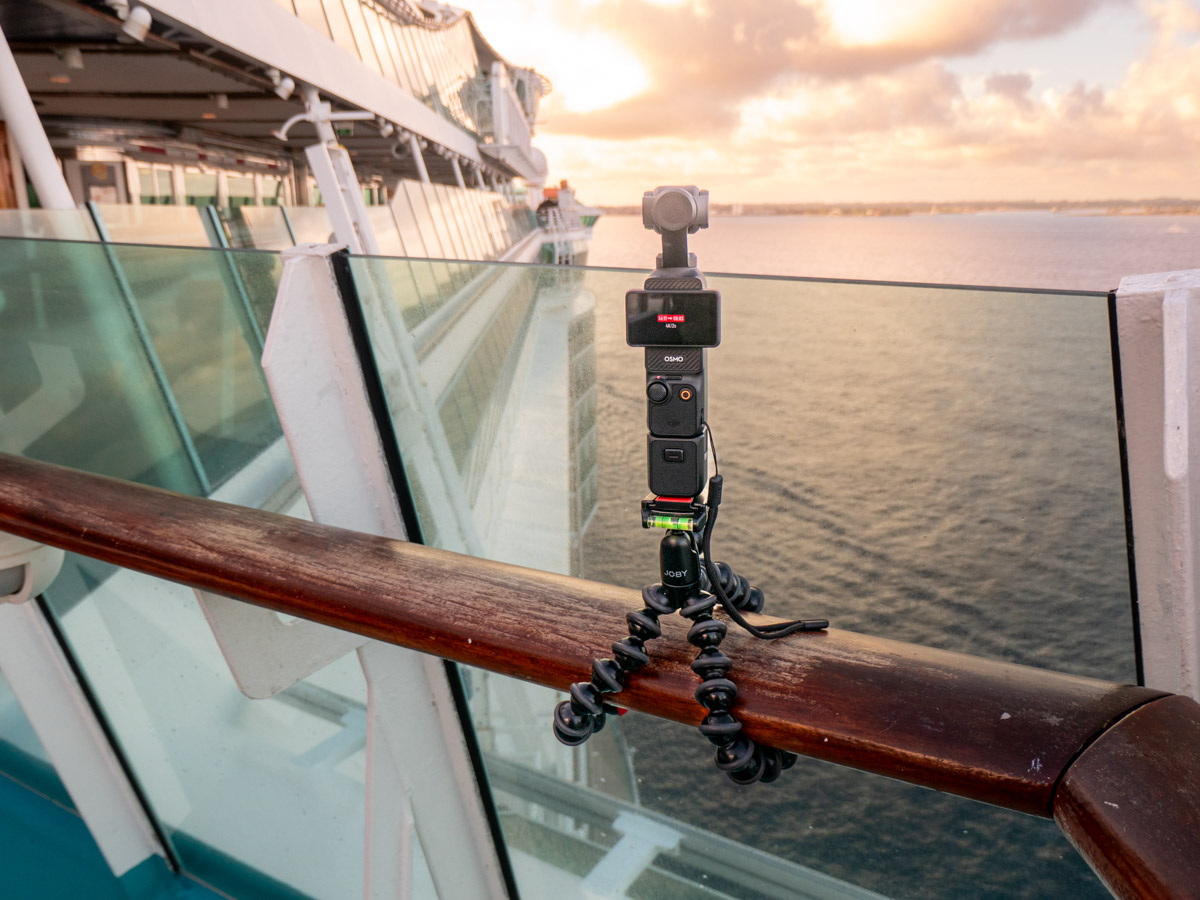 My GorillaPod gripped the railing there for one of my timelapses. Then, I attached the vertical Osmo Pocket, which enabled the Osmo to barely peek over the glass barrier.
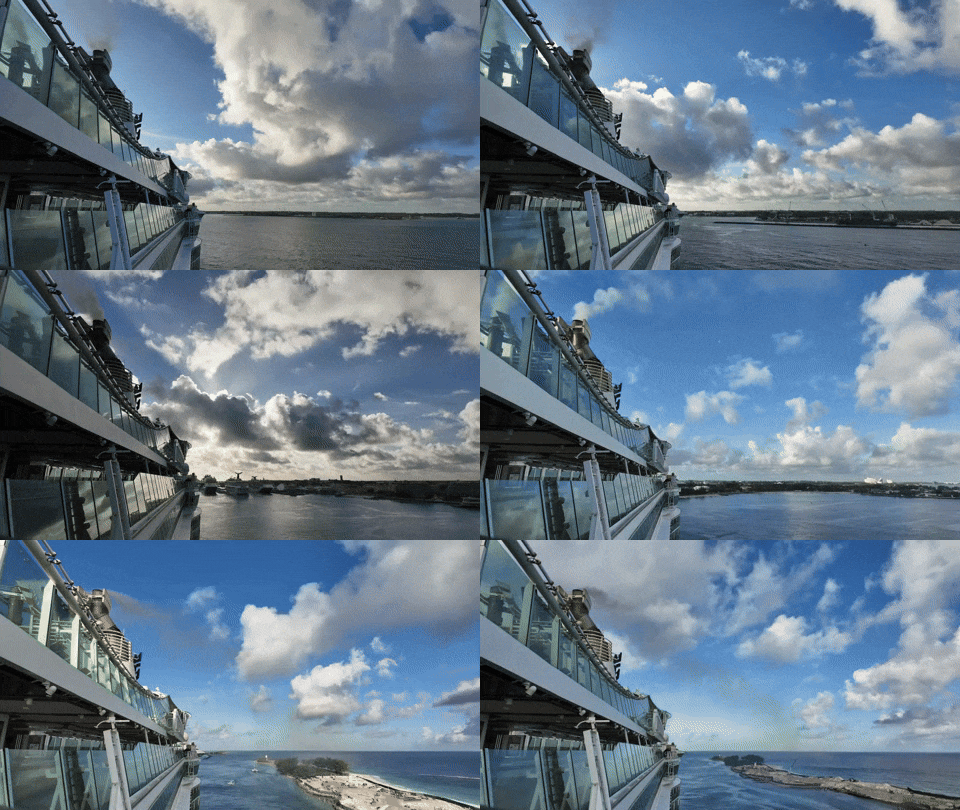
My rig held together as it captured this timelapse which showed our arrival at the Nassau Cruise Port.
Find a Flat Surface for your Tripod
I also discovered that a section of Deck 12’s railing ran by two flat metal surfaces located towards the bow of the ship. These were the foundations for the two circular glass roofs covering the Solarium whirlpools a deck below.
Each provided a perfectly flat surface for my GorillaPod and Osmo Pocket 3.
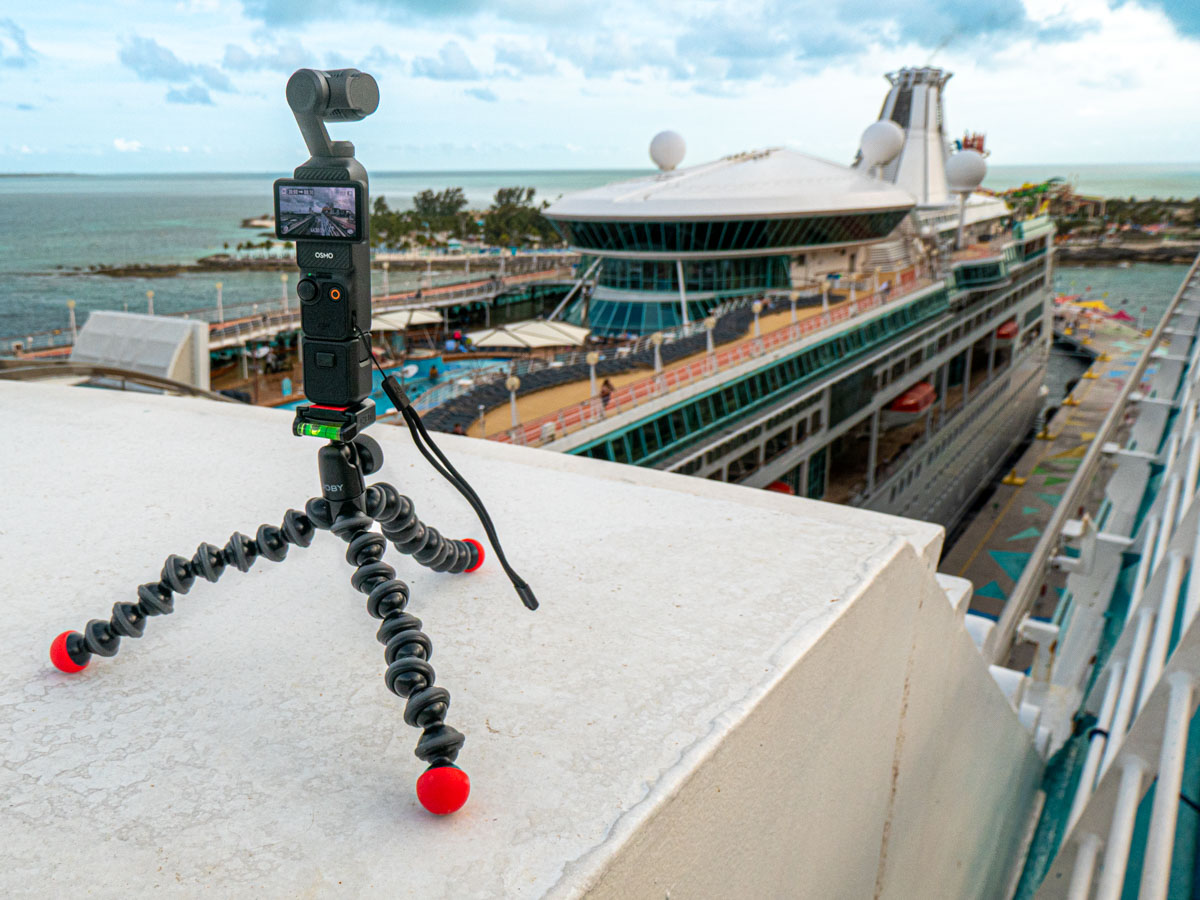 So, when I positioned my Joby and gimbal an arm’s length out from the railing, it offered me the ideal perspective (as if my camera was hovering next to the ship).
Here’s my timelapse leaving CocoCay from that vantage point…
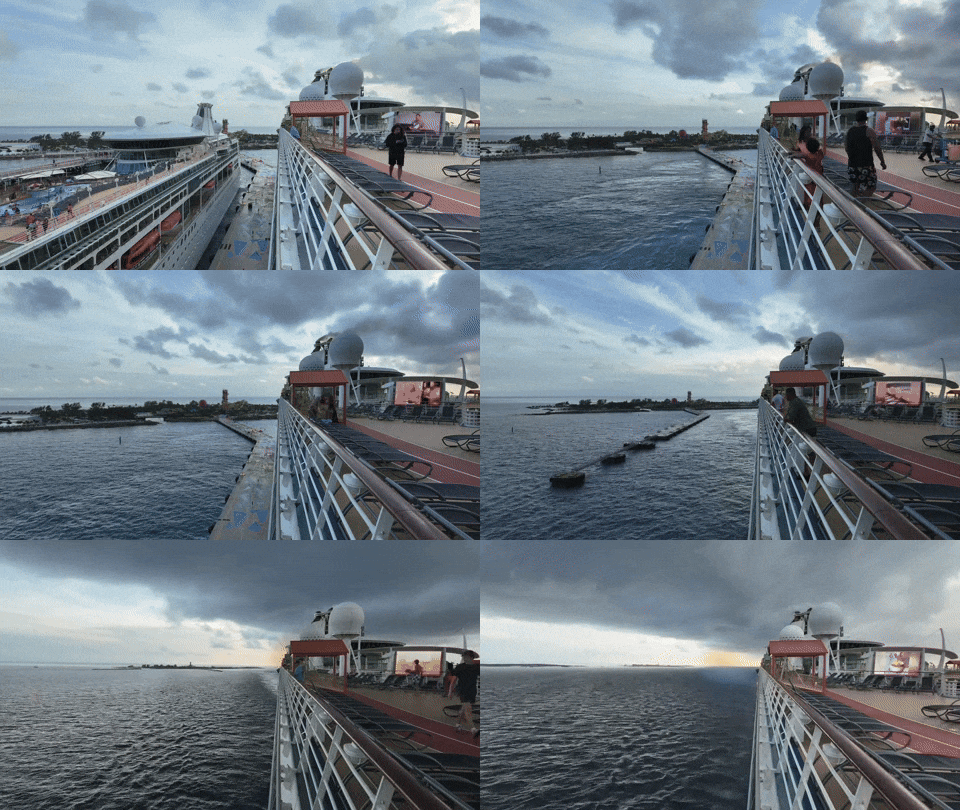 It really helped having another ship (Royal Caribbean’s Vision of the Seas) docked there to provide additional visual context.
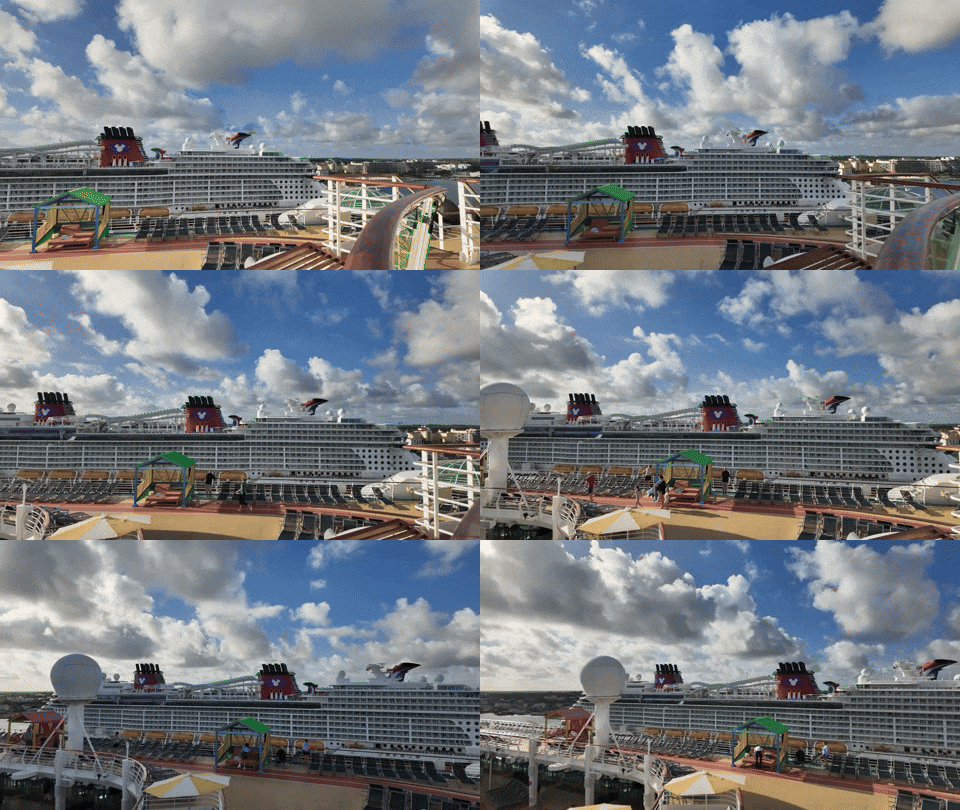
This next timelapse utilized the gimbal’s pan function, showing the view while we were docked in Nassau. (That’s the Disney Wish cruise ship in the shot.)
And here’s our departure from Nassau.
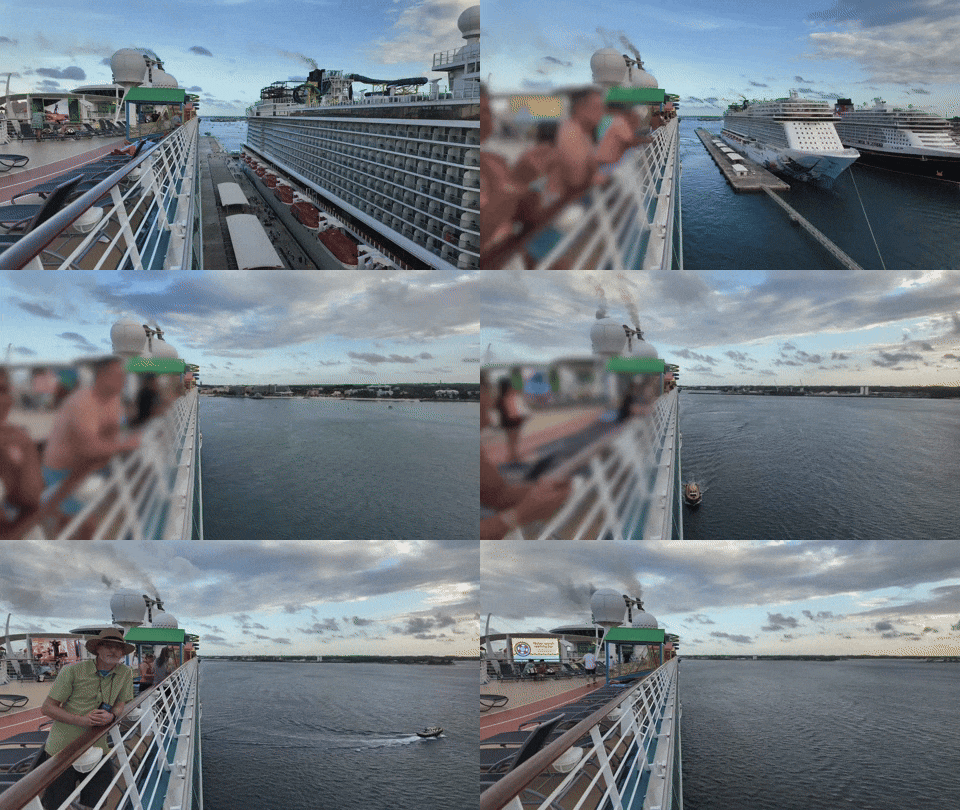 (I added a ‘Gaussian Blur’ on the left section in post to mask a couple of travelers who unknowingly walked into my shot.)
Safety Concerns
I ran these timelapses for up to 30 minutes Each frame was recorded at two second intervals. (I sped up some of my timelapses in post). That’s plenty of time to allow for Murphy’s Law to come into play. For the record, this little vacation hobby of mine was a great way to destroy or lose my gear.
There was a constant wind blowing throughout these timelapses. Gripping the railing with my GorillaPod was an unproven strategy under these conditions. Plus, standing my little tripod all on its own outside the railing on the Solarium roof offered no anchor solution (other than my hand nervously holding onto one of the legs).
A lot can happen with no net.
Tempting Fate for Creative Pursuit
My Osmo Pocket 3 could have easily blown over. A big gust of wind would have carried it overboard and into the drink. (I’m sure this would not have been the first time a camera or a smartphone fell into the ocean during a cruise.)
Happily, none of this happened, and my gear survived.
I’m not sure what it says about me that I put my camera at risk like this. I could say I took a ‘calculated’ risk. But that doesn’t change the variables. I think I just wanted the shot, and I felt compelled to try. Perhaps it simply comes from the creative fire that stirs in me and many of us.
So, should you also choose to try something like this, good luck and be forewarned.
And you might want to consider bringing along a roll of duct tape with you… that couldn’t hurt.
Don’t Forget the Basics for a Relaxing Vacation
Beyond the creative achievement and risks to create my timelapses, this simple exercise served another important purpose.
I had to slow down a few times to focus on this singular activity during our cruise, which offered a thousand other possible distractions. These half-hour immersions helped to focus me on the real star of the show… our majestic ship and its own journey. Strangely, this headline is easy to miss.
Some people hang at the pool all day to unwind. I apparently like to shoot risky timelapse videos to recharge.
All that matters is you travel your own path to relaxation… and satisfaction.
Discover more from At Home with Tech
Subscribe to get the latest posts sent to your email.
 At Home with Tech