
Best Travel Compact Camera with a Big Zoom
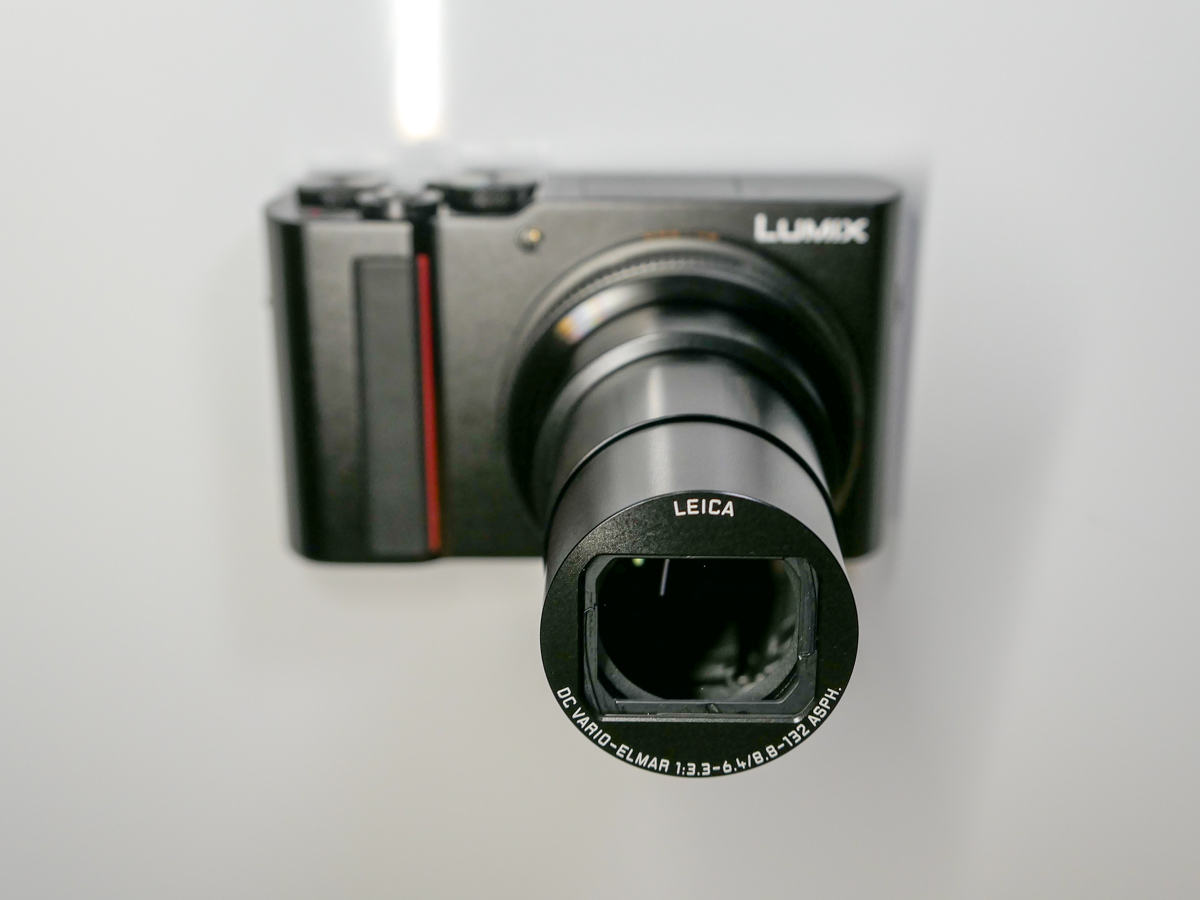
If you want to buy a premium compact camera with a longer zoom for your next trip, there aren’t many choices. Here’s my recommendation.
I’m planning for a vacation where my family and I will be spending most of our time in the great outdoors (rain or shine). We’ll be biking, hiking and kayaking! Based on our active itinerary, I know that besides my GoPro, I’ll only be able to pack a compact camera that’s easy to carry and won’t weigh me down.
A larger-form camera with separate lenses just wouldn’t cut it on this kind of trip. So, I’ll have to leave my Panasonic Lumix GH5 II mirrorless camera at home. (An all-in-one ‘bridge camera’ would also be too large.)
And for this trip, I’ll need a small camera with a bigger zoom than I currently own. (I don’t require a crazy reach to capture the beak of a bird, but I do want to be able to get more than wide vista shots. My old Panasonic Lumix LX10 (which is still on the market) only provides a 3x optical zoom. I want to at least double that…
That kind of camera shouldn’t be so hard to find, right?
Nobody Really Buys that Camera Anymore
Well, the bad news, if you hadn’t heard, is smartphones killed off compact cameras years ago. People simply stopped buying them.
Sure, I get it that today’s smartphones take great pictures. But they don’t yet have powerful zoom capabilities.
That’s where small premium compact cameras with 1” sensors and longer zooms should have thrived. But they didn’t. And camera manufactures stopped updating them four to five years back.
But that doesn’t mean they’re not still being sold. They certainly are.
What’s Old is New Again
But all these cameras represent older technology had the models continued to get upgraded into newer versions (which they weren’t).
So, my first hurdle when researching my options was feeling comfortable buying a new piece of gear that’s a few years old. (Was I a tech neophyte that would make this kind of rookie mistake?)
But when I realized there isn’t a newer compact camera with a longer zoom out there, I found some peace with my situation and stopped feeling like I was living in the wrong universe that had killed off this obviously necessary camera format.
To find my new compact camera with a long optical zoom, I would simply have to go back to the future.
Sony RX100 VII
Sony’s DSC-RX100 VII is the still undisputed king in this now-dead compact camera category. (The entire RX100 line has always ruled.) Every reviewer put the RX100 VII on the top of their list. And for my needs, it has an 8x zoom lens (24-200mm F2.8-4.5). That’s enough oomph.
It’s perfect. And Sony knows it.
So, it still costs $1,300 for this 2019 camera.
1,300 bucks?! Whoa.
I just couldn’t pull the trigger.
Risk/Reward Analysis
I’ll be taking a new camera into something of an adventure vacation that involves tons of outdoor time, rain or shine. I expect it to be a bit messy, and there might be some bumps and bruises along the way.
Sure, I don’t want to ruin any new (old) camera that I bring along. But the idea of accidentally dropping this gem off a cliff or running over it with my bike (I am a bit of a klutz) would worry me throughout our entire trip.
If I’m going to destroy my camera, I want it to cost less. (I accept there are flaws in that thinking.) Plus, I’d prefer to better invest $1,300 on a new lens for my Lumix GH5 II.
Panasonic Lumix DC-ZS200D
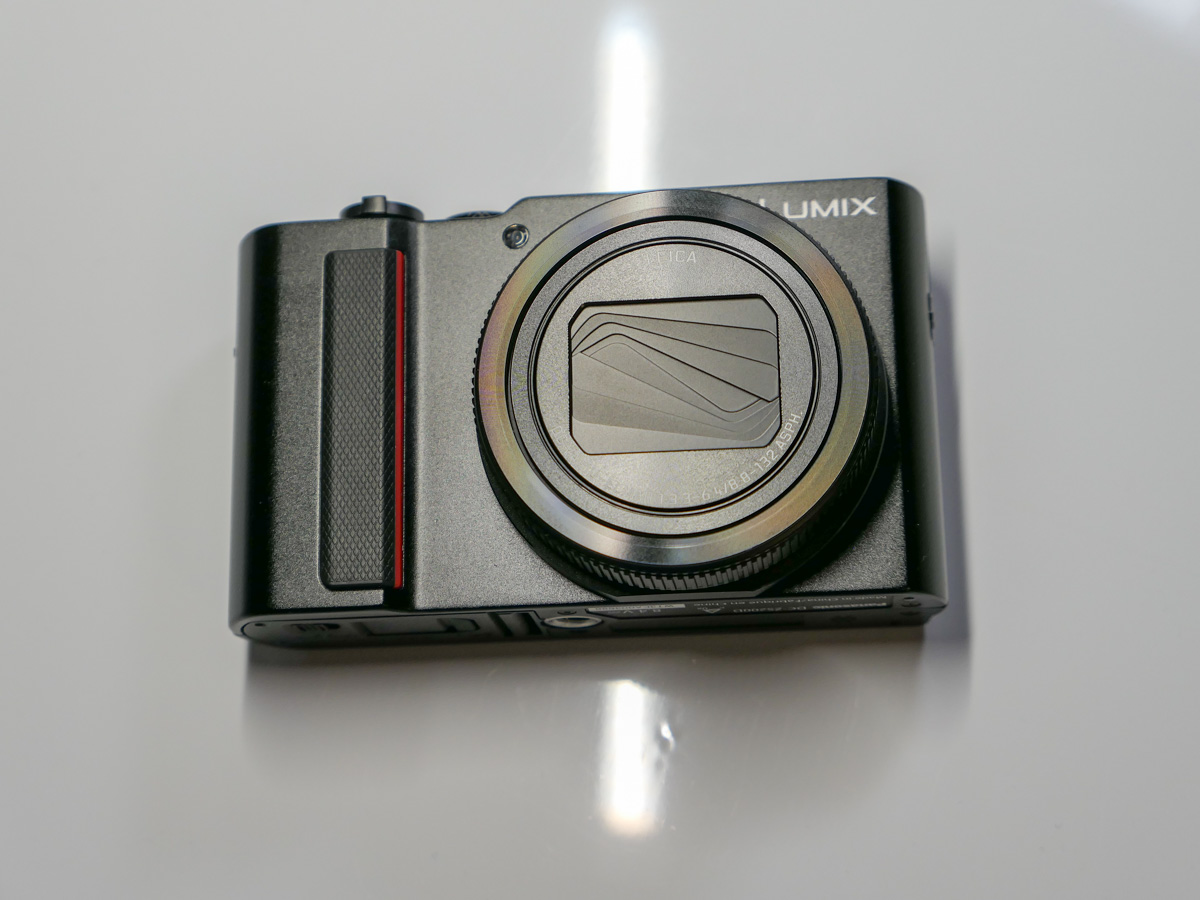 So, I regrouped and then gravitated to Panasonic for other options. I’m partial to the Lumix line as I already own an LX10 and my GH5 II. But even without that preexisting positive bias, I quickly realized that the Lumix DC-ZS200D (also known as the TZ200 outside of North America) could be the camera for me.
-It has a nice 1-inch image sensor like the Sony.
-It’s got a 15x optical zoom lens (24-260mm, F2.2-6.4)
That’s almost double the Sony’s reach even though the Lumix’s lens isn’t as fast. That said, I plan on taking most of my photos during the daylight hours. So, I don’t expect to need quite as bright a lens.
-It only $698, which I know is still a pretty penny. But it’s almost half the cost of the Sony, and its price has come down a hundred bucks since it was originally released. (That feels a little more respectful, acknowledging that this is older tech. Thank you, Panasonic.)
No, it doesn’t have a flip screen. (So, my iPhone or GoPro will have to do for selfies.)
No, it’s not weather sealed. (Neither is the Sony.) So, it won’t be taking photos in the rain. (My GoPro will handle that trick.)
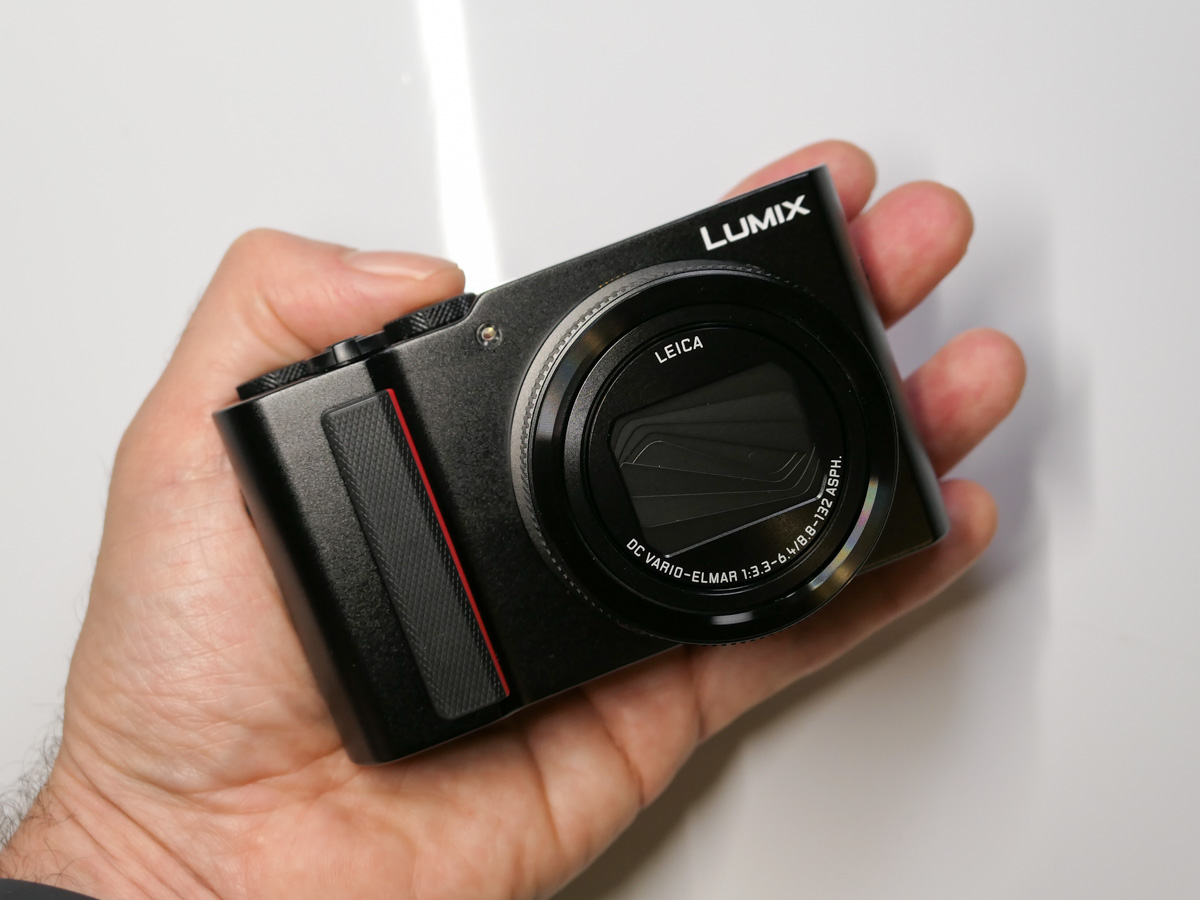 But it has what I need…. the zoom.
The zoom. The zoom. The zoom.
It’s all about the zoom.
I made my decision.
Click.
 Here’s a 3X zoom shot from my new Lumix ZS200D (72mm), which many mobile phones can also get you.
 And here’s the 15x zoom from my Lumix ZS200D (360mm).
Same spot and distance. Big difference, right?
Other Nice Features
Yes, the ZS200D has 4K video at 30fps. Yes, it offers image stabilization. And yes, it has a flash (that could be useful for fill).
And it has the zoom I want.
The reviewers all said it’s a good camera. (No camera is perfect.)
And I think it’s still a good camera, even though it is a few years old.
A Few Not-So-Optional Accessories
I also picked up a case to help protect my new camera from the elements. I’ve been happy with my MegaGear case for my Lumix LX-10. So, I bought the version that fits the ZS200D for $39.99.
Of course, the camera doesn’t come with a memory card. I purchased a SanDisk 128GB Extreme PRO UHS-I SDXC Memory Card for $22.99.
Ready for Action
If you want the perfect travel camera with a bigger zoom that’s still really compact, and price is no object… the Sony DSC-RX100 VII is the camera to buy.
But if you’re going to the wilderness and uncharted waters and don’t want to bring such an expensive item along, I believe the Panasonic Lumix DC-ZS200D is the better all-around choice, especially for daytime photos.
It’s still a solid camera, and its extra zoom reach compared to the Sony is a nice plus.
Now, I’ve got my Lumix ZS200, and I’m ready to pack it along with my GoPro HERO11 Black.
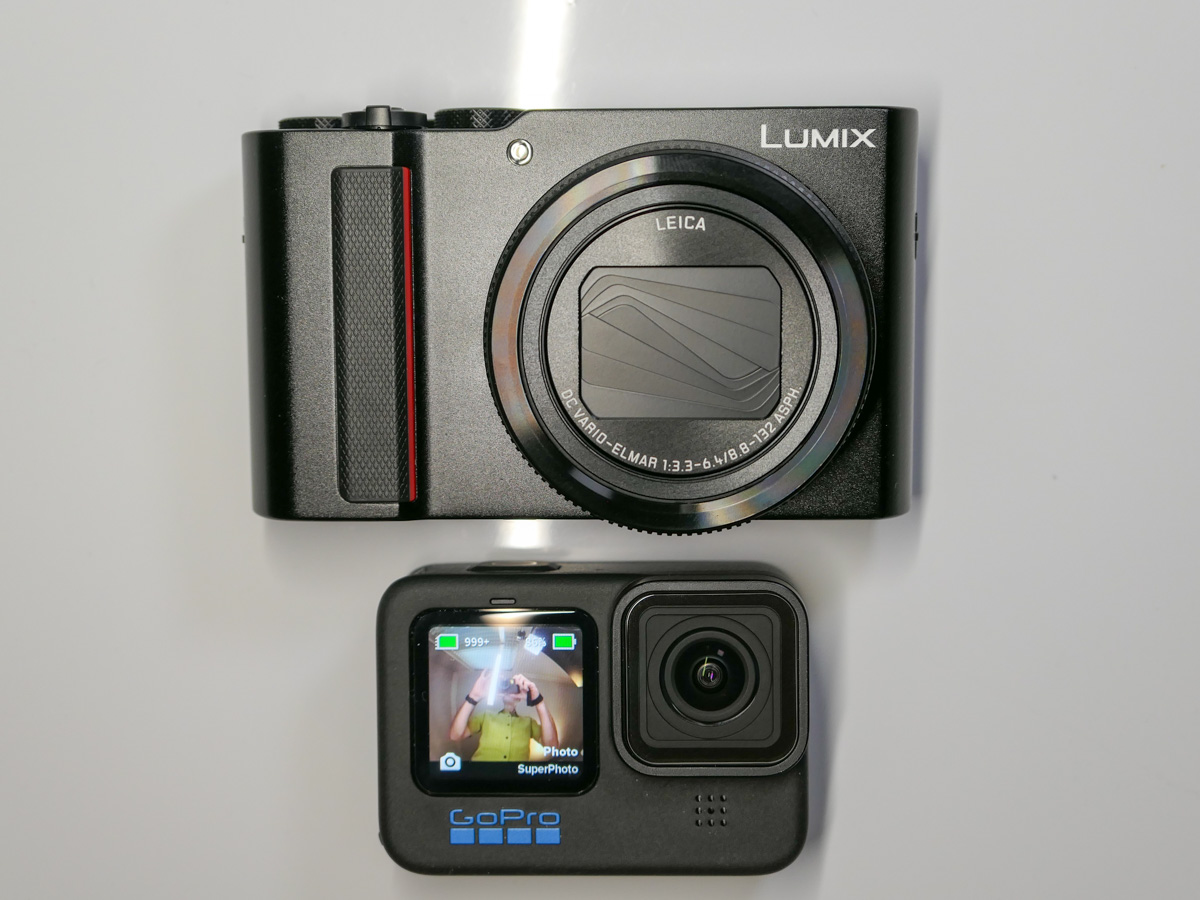

I’m ready for our trip… to Alaska!


 At Home with Tech